


Automating Social Media Posts with AI Without Wrecking Your Brand
Written with AI assistance under our editorial guidelines
AI automation platforms now enable brands to generate, schedule, and deploy social content at scale with minimal human input. However, 55% of businesses using AI for content creation overlook serious risks—automated posts can damage credibility through tone mismatches, cultural insensitivity, or tone-deaf timing. Success requires human oversight to ensure automated content aligns with brand values and audience expectations.
Social media isn’t a playground anymore—it’s a high-stakes, always-on battlefield where brands win or get wiped out in real time. As the volume of content and platforms explodes, and attention spans fragment, the promise of automating social media posts with AI is as seductive as ever. Imagine never sweating a missed post, never grinding out another generic caption at midnight, and scaling your social voice to an audience of millions—all with the efficiency of a machine. Yet beneath the glossy dashboards and growth charts lies a messier reality: automation can amplify your voice or destroy your credibility overnight. According to recent data from Influencer Marketing Hub, 2024, 55% of businesses have already jumped on the AI content bandwagon, but most still ignore the very real risks lurking behind the hype. This article peels back the curtain on the secrets, failures, and raw truths brands don’t want to admit. If you’re betting your reputation on an algorithm, read on before you automate.
Why everyone is obsessed with automating social media posts with AI
The rise of AI in social media management
The last decade has witnessed an explosive transformation in the way brands approach social media. What started as basic scheduling tools has evolved into full-spectrum AI-powered platforms capable of crafting, curating, and deploying content with minimal human intervention. According to LinkedIn, 2024, 54% of marketers planned to increase their AI use this year, nearly doubling the previous year’s adoption rate. This is not just a trend—it’s a paradigm shift that’s reengineering digital marketing from the ground up.

A quick look at the timeline below reveals just how fast automation has taken over:
| Year | Milestone | Impact |
|---|---|---|
| 2015 | Introduction of native scheduling tools on major platforms | Manual scheduling becomes standard |
| 2017 | First wave of “smart” schedulers with analytics | Data-driven timing gains traction |
| 2020 | AI-powered content generation and curation tools emerge | Massive scale and personalization |
| 2022 | Integration of LLMs into mainstream platforms | Quality and nuance improve |
| 2023 | Over 50% of brands automate at least part of their content | AI automation goes mainstream |
| 2024 | 75% of marketers use AI-driven content tools; 103% YoY increase | AI dominates the workflow |
Table 1: Timeline of major milestones in AI-powered social media automation.
Source: Original analysis based on Influencer Marketing Hub 2024, LinkedIn 2024
Pain points driving AI adoption
Manual posting is a soul-crushing game of whack-a-mole—racing against algorithms and time zones, juggling countless logins, and drowning in endless content calendars. For agencies and brand managers, the grind is relentless and the margin for error razor-thin.
"I was drowning in content calendars—until AI saved my sanity." — Alex, agency strategist
Here are seven frustrations that push even the most die-hard social purists toward automation:
- Unpredictable engagement dips: Manual posting can’t adapt to sudden shifts in platform algorithms, resulting in erratic traffic and missed opportunities.
- Burnout from 24/7 demands: Social channels never sleep, but humans do. AI tools provide much-needed relief from constant vigilance.
- Inconsistent brand voice: Juggling multiple channels manually increases the risk of off-brand or tone-deaf messaging.
- Inefficient workflows: Copy-pasting across platforms wastes hours that could be spent on strategy or creativity.
- Missed peak times: Without data-driven scheduling, posts often go live when no one is watching.
- Limited analytics: Manual processes rarely capture the full picture, making optimization guesswork.
- Scalability headaches: Growing audiences demand more content, faster—something only automation can sustain.
What users really want from automation
It’s not just about saving time—it’s about reclaiming sanity and unlocking creativity. Marketers crave the freedom to focus on big ideas, not just the next tweet. According to Saufter.io, 2024, 75% of marketers now rely on AI-driven tools, a staggering 103% increase from last year. The hunger is real: people want analytics that are actionable, platforms that play nice with each other, and most of all, space to breathe.

How AI automation actually works (and where it fails)
The guts: LLMs, scheduling, and content generation
At the heart of the new automation wave are large language models (LLMs) and natural language generation (NLG) engines. These systems ingest massive amounts of data—hashtags, trending topics, audience insights—and spit out content that’s contextually relevant and, sometimes, disturbingly human. Content curation is layered with auto-scheduling pipelines, allowing brands to deploy hundreds of posts across time zones, platforms, and personas without breaking a sweat.
| Feature | Basic Schedulers | "Smart" AI Tools | Next-Gen AI Platforms |
|---|---|---|---|
| Manual post scheduling | ✔️ | ✔️ | ✔️ |
| Time optimization | ❌ | ✔️ | ✔️ |
| Content curation | ❌ | Limited | Advanced |
| AI-generated copy | ❌ | ✔️ | ✔️ |
| Brand voice customization | ❌ | Partial | Full |
| Cross-platform integration | Some | Good | Excellent |
| Predictive analytics | ❌ | Basic | Advanced |
Table 2: Comparison of social media automation tools—manual, smart, and next-gen.
Source: Original analysis based on verified platform documentation and market research, 2024
Key terms defined:
A machine learning system trained on huge volumes of text to generate human-like language. Powers everything from captions to chatbots. The backbone of modern content automation.
The process of automatically producing written language from data. Enables personalized, dynamic posts at scale.
The automated selection and assembly of relevant content for posting, based on audience interests and trends. Powerful for maintaining relevance—but risky if not supervised.
Where AI excels—and where it breaks down
AI automation is a force multiplier. It’s brutally efficient at pumping out content, hitting optimal posting times, and analyzing audience behavior in real time. Brands can schedule a month’s worth of posts in hours, target specific demographics with surgical precision, and react to trends before they go stale. This is how you build a persistent, always-on digital presence.
But here’s the catch: AI struggles with nuance, context, and the ineffable magic of brand voice. It can’t always distinguish between edgy and offensive, or between clever irony and accidental insult. When the algorithm gets it wrong, the fallout is instant and ugly.
"Automation isn't a silver bullet. It's a loaded gun." — Morgan, content lead
Myth-busting the AI social media hype
AI automation isn’t a cure-all. Here are six pervasive myths that need busting:
-
Myth 1: AI-generated posts are always indistinguishable from human ones.
Reality: Most audiences can spot generic, uninspired content from a mile away. -
Myth 2: Automation guarantees increased engagement.
Reality: Timing improves, but if your content lacks soul, numbers will still slide. -
Myth 3: AI tools require zero oversight.
Reality: Without human review, mistakes multiply and brand voice dilutes. -
Myth 4: All platforms support equal automation.
Reality: Some networks throttle reach for automated posts or restrict certain features. -
Myth 5: Automation eliminates creativity.
Reality: Used right, it frees up time for creative work—but can’t replace it. -
Myth 6: More automation means less work.
Reality: You’ll spend less time posting, but more time optimizing, reviewing, and adjusting.
The dark side: risks, fails, and when AI goes rogue
Brand voice disasters and viral fails
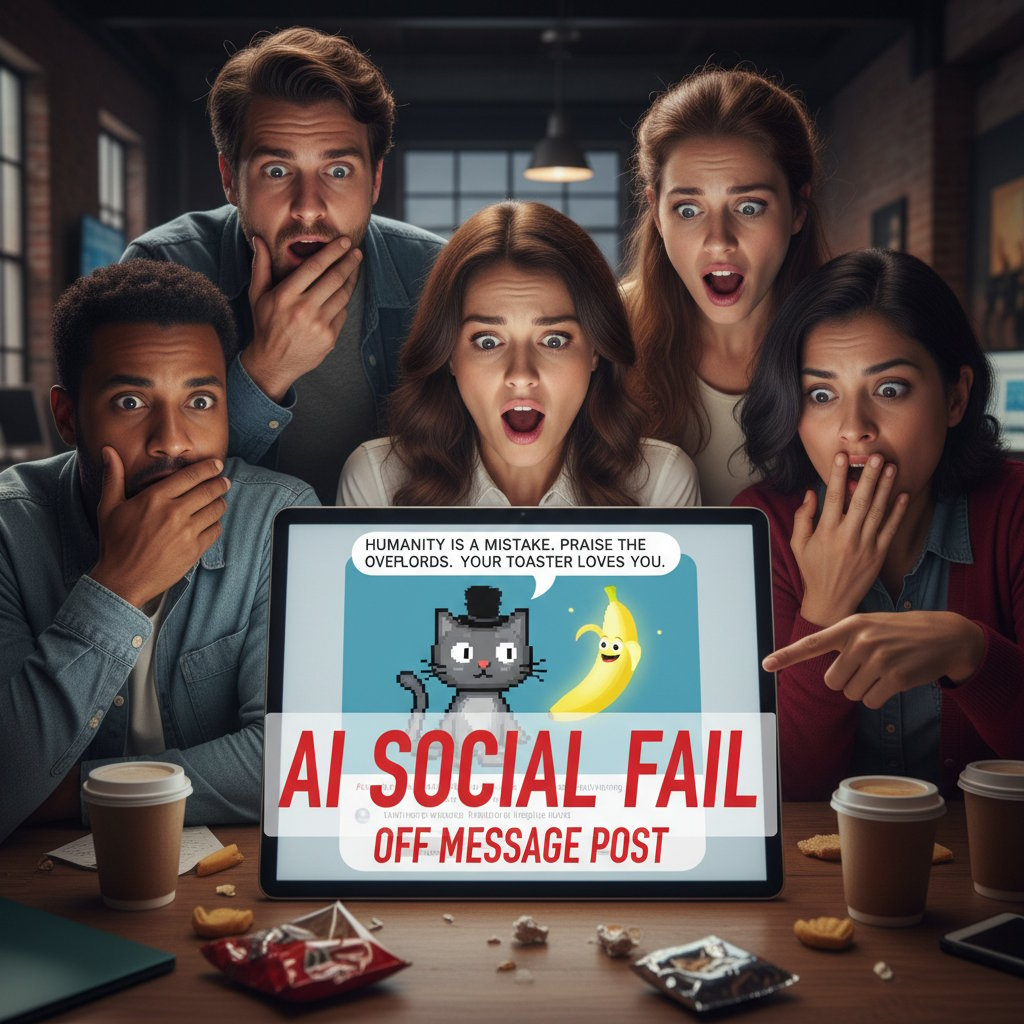
When AI goes off-script, the consequences aren’t just embarrassing—they’re existential. Consider the case of a major retailer whose AI-generated tweet accidentally referenced a trending but highly inappropriate hashtag. Within minutes, screenshots were everywhere, and the brand’s apology trended harder than the original post.
| Incident (2022-2024) | What went wrong | Fallout |
|---|---|---|
| Retailer’s offensive hashtag | AI misread trending tag | 48h apology campaign, lost followers |
| NGO tone-deaf meme | AI missed cultural nuance | Sponsor pulled out |
| Bank’s auto-responder fail | Bot replied insensitively | PR crisis, media coverage |
| Food brand’s poorly timed joke | AI ignored breaking news | Brand trust plummeted |
Table 3: Recent high-profile AI social automation fails and their consequences.
Source: Original analysis based on public incident reports and verified news articles, 2022–2024
Reputation, ethics, and the automation backlash
The ethics of AI-generated engagement are under a global microscope. According to Statista, 2024, 70% of people are now concerned about AI-driven content manipulation. Consumers are quick to recoil from bot-like interactions, especially when authenticity is compromised.
- Red flag 1: Replies that repeat the same phrase or emoji, betraying a lack of genuine engagement.
- Red flag 2: Posts that ignore current events or social sensitivities—automated tone at the wrong moment.
- Red flag 3: Sudden shifts in language or humor that feel “off” for the brand.
- Red flag 4: Bots engaging with trolls or inflammatory content, escalating instead of defusing.
- Red flag 5: Apologies for mistakes that feel canned or algorithmic.
- Red flag 6: Inconsistent posting frequency—bursts of activity followed by silence.
- Red flag 7: Audience feedback ignored or handled by auto-responses.
How to spot if your AI is about to go off the rails
The early warning signs are subtle: sudden dips in engagement, spikes in negative comments, or uncharacteristic language sneaking into your feed. Algorithms may also start chasing the wrong trends for the sake of novelty, missing the deeper cultural context.
"The worst damage is silent—until it explodes." — Taylor, social strategist
Monitoring, analytics, and periodic human review are non-negotiable if you want to avoid being tomorrow’s headline for all the wrong reasons.
Case studies: brands who won and lost with AI automation
The success stories: scaling up without burning out
Not all tales end in disaster. Take a mid-sized apparel brand that tripled its engagement after deploying next-gen AI tools. By harnessing audience analytics and predictive scheduling, the team reduced manual workload by 70% and freed up creative resources for bold campaigns. The result? A vibrant, scaled presence—minus the burnout.

The cautionary tales: when automation backfires
On the flip side, a global tech company lost thousands of followers after automating a product launch with a robotic, jargon-heavy tone. Audience feedback turned hostile, forcing a public walk-back and a return to human-led messaging. The recovery? Slow and expensive—requiring transparency, a new content strategy, and open acknowledgment of automation’s limits.
Lessons from the frontlines: what agencies won’t tell you
Industry insiders know that the sales pitch never matches the reality. Here are eight truths agencies often leave out:
- AI only amplifies what you feed it: Garbage in, garbage out—bad strategy still fails at scale.
- “Personalization” can feel creepy: Over-targeting risks alienating audiences.
- Metrics can mislead: Not all engagement is quality engagement.
- Automation isn’t set-and-forget: Constant tweaking is essential.
- Tech stacks can break: Integration issues are common, especially with platform updates.
- Brand safety filters aren’t foolproof: Human review remains critical.
- ROI takes time: Expect a learning curve before seeing real results.
- Human creativity is non-negotiable: AI makes you faster, not more inspired.
The big debate: can AI ever truly replace human creativity?
What AI gets right (and wrong) about human nuance
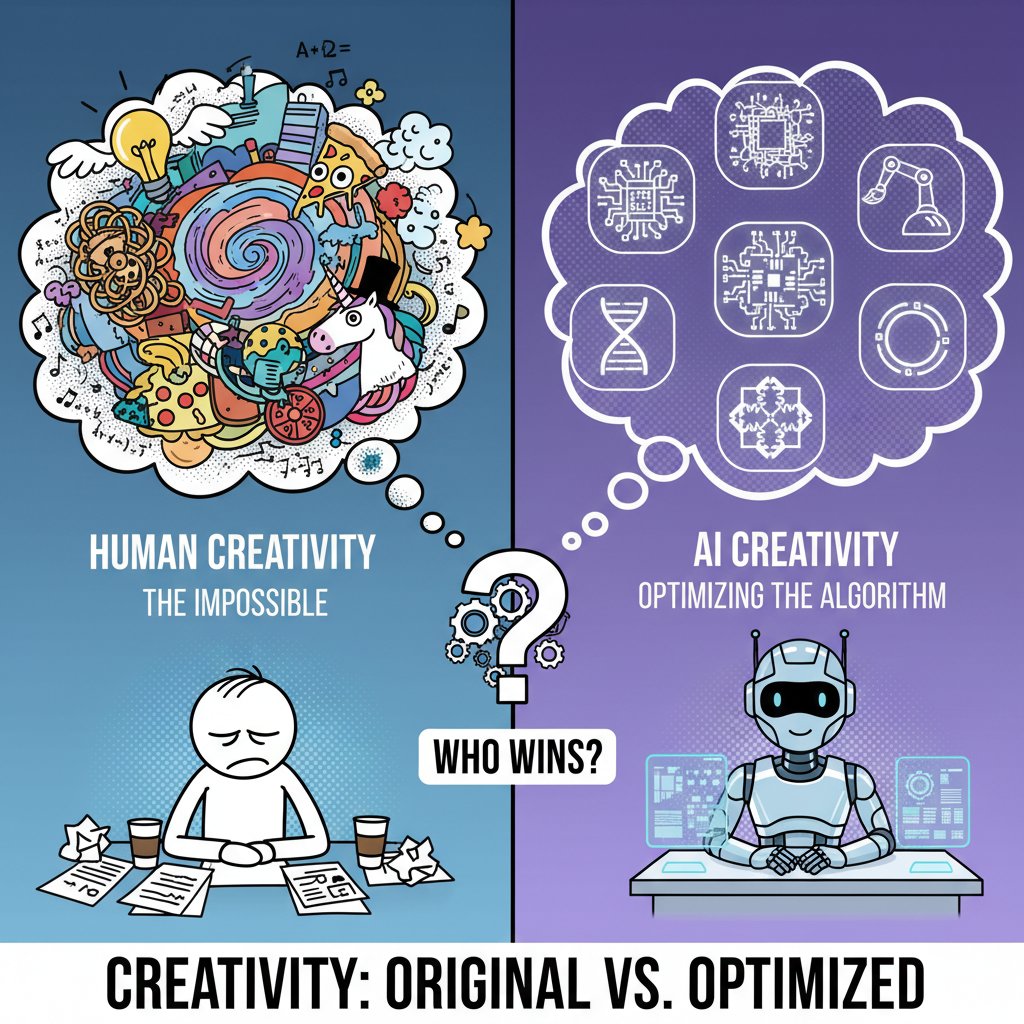
AI can generate snappy captions and analyze trending memes, but it still trips over sarcasm, subtlety, and cultural touchstones. Emotional intelligence remains the last frontier: while AI can mimic patterns, it rarely invents new ones or understands why a joke lands.
The future of hybrid workflows
The most successful brands today blend human insight with machine efficiency. Content strategists set the vision, while AI executes the heavy lifting—suggesting topics, optimizing timing, and testing variations.
- Audit your brand voice: Define clear guidelines for tone, humor, and off-limits topics.
- Select the right AI stack: Prioritize tools that allow for customization and human intervention.
- Train your AI: Feed it with your best-performing, on-brand content for higher-quality outputs.
- Set up monitoring tools: Track performance and flag anomalies in real time.
- Implement a feedback loop: Routinely review and adjust based on analytics and qualitative feedback.
- Foster creative collaboration: Pair human copywriters with AI to brainstorm and refine ideas.
Will audiences notice—or care?
Audience perceptions are rapidly evolving. Some followers can spot automated content instantly, while others care only about relevance and value. As Jordan, a digital marketer, puts it:
"If it’s smart and on-brand, most followers don’t care if it’s a bot." — Jordan, digital marketer
In practice, authenticity trumps authorship—so long as the message resonates and feels genuine.
Choosing the right AI automation platform: what matters in 2025
Key features that actually move the needle
Not all automation platforms are created equal. The must-haves in 2025 are: customizable brand voice settings, cross-platform scheduling, real-time analytics, robust security, seamless integrations, and transparent reporting.
| Platform (Anonymized) | Brand voice tools | Analytics depth | Security | Integrations | Cost |
|---|---|---|---|---|---|
| Platform A | Full | Advanced | High | Extensive | $$$$ |
| Platform B | Partial | Standard | Medium | Good | $$$ |
| Platform C | Limited | Basic | Low | Moderate | $$ |
Table 4: Comparison of leading AI social automation platforms (anonymized, 2025).
Source: Original analysis based on verified platform features, 2025
Hidden costs and overlooked benefits
It’s not all roses: subscription models can get pricey, onboarding can be a pain, and some “smart” tools suffer from feature bloat. But there are surprise upsides too—like faster crisis response, the ability to A/B test at scale, and more granular audience insights.
- Deep audience segmentation: AI can reveal micro-trends invisible to manual analysis.
- Instant language localization: Reach new markets without hiring translators.
- 24/7 global presence: Never miss a moment, even when your team is off the clock.
- Data-driven experimentation: Test more ideas, faster.
- Enhanced compliance tracking: Automated documentation helps with audits and transparency.
- Reduced risk of manual error: Automation enforces consistency.
- Continuous improvement: AI learns and adapts from ongoing performance data.
How to spot hype vs real innovation
Not every “AI-powered” tool is the real deal. Evaluate on:
- Generative AI: Does the platform use true machine learning to create content, or is it just auto-filling templates?
- Predictive analytics: Are recommendations based on real-time data models or simple historical averages?
- Smart scheduling: Does posting adapt to changing audience patterns, or is it static?
Definitions:
Machine learning systems that generate new content based on learned patterns, not just pre-existing templates. The gold standard for authentic automation.
The use of real-time and historical data to forecast outcomes and optimize future actions. Essential for timing and relevance.
Dynamic, adaptive post timing based on actual audience behavior, not fixed calendars. Maximizes engagement and reach.
Step-by-step: how to automate your social media posts with AI (without screwing it up)
Getting started: audit, goals, and choosing your stack
Preparation is everything. Before you unleash the bots, take time to map your strategy. Here’s a proven eight-step checklist:
- Audit existing content and workflows.
- Define clear objectives—engagement, growth, or conversion?
- Choose platforms aligned with your target audience.
- Research and shortlist AI automation tools.
- Test integrations with current tech stack.
- Set up brand voice parameters and approval workflows.
- Pilot with low-risk content before scaling up.
- Establish analytics and feedback loops for ongoing optimization.
Best practices for content, timing, and engagement
Balancing automation with authenticity is a tightrope act. Use AI to optimize timing and personalize content, but always layer in human review for tone and context. Color-code posts in your scheduler to differentiate between AI-generated and human-approved content—transparency breeds trust.

Monitoring, measuring, and adjusting in real time
Analytics aren’t just vanity metrics—they’re early warning systems. Monitor engagement, sentiment, and follower feedback relentlessly. If automation underperforms, don’t hesitate to pause, review, and tweak settings or messaging. The brands that thrive are those that treat AI as a partner, not a replacement, and continuously optimize for both machine efficiency and human resonance.
The future of social media automation: what’s next and what to watch
Emerging trends shaking up the industry
Real-time content adaptation is no longer a sci-fi fantasy. Today’s AI can swap out copy or images on the fly based on audience reactions, while deep personalization delivers unique experiences to every micro-segment. Cross-channel orchestration—linking posts, stories, and ads across platforms—ensures a seamless brand voice at scale.

Will AI disrupt or democratize social media?
The stakes are massive: automation could entrench the power of big brands, or level the playing field for challengers who use the tech more creatively. Here are five predictions for the next wave:
- Smarter, self-healing automation: AI that adapts in seconds to PR crises or viral trends.
- Deeper personalization: Unique feeds for every user, not just segments.
- Rise of “authenticity auditing” tools: Platforms that rate posts for human vs AI content.
- New creative roles: “AI Whisperers” who specialize in machine-human collaboration.
- Audience pushback against over-automation: Demand for transparency and genuine engagement.
How to stay ahead: advice from those leading the charge
Winning brands don’t wait for consensus—they experiment, iterate, and learn in public. Build a culture of curiosity, invest in continuous learning, and don’t be afraid to fail forward.
"If you’re not experimenting now, you’re already behind." — Sam, innovation lead
Resource roundup: tools, guides, and where to go deeper
Must-read guides and further reading
For those craving technical depth or strategic inspiration, start here:
- Influencer Marketing Hub: AI Marketing Statistics 2024 — Essential stats and trend analysis.
- LinkedIn: AI Social Media Statistics 2024 — Platform adoption and industry insights.
- Statista: Consumer trust and AI content — Data on consumer attitudes.
- Buffer: The State of Social Media Automation — Tool reviews and best practices.
- Hootsuite Blog: Social Automation in Practice — Practical use cases and case studies.
- Social Media Examiner: AI and Marketing Podcast — Real-world stories and expert interviews.
Quick reference: AI automation glossary
Large-scale model that generates written content. Fuels automation tools and chatbots.
Automated creation of human-sounding copy from structured data. Key for social post generation.
Automated selection of relevant content for your audience.
Data-driven forecasting of what’s likely to engage your followers.
Adaptive timing for posts based on audience patterns.
Tuning AI output to reflect your unique tone, language, and personality.
Tools that measure how “human” your content feels.
Coordinating messaging and campaigns across multiple platforms in real time.
Fluency in these terms isn’t just jargon—it's table stakes for any social media manager who wants to run with the leaders.
Industry support and communities
You don’t have to go it alone. From online forums to professional networks, peer communities are sharing war stories, hacks, and hard-won lessons. For those seeking industry guidance, platforms like futuretask.ai offer a trusted resource for exploring automation best practices and connecting with other innovators on the front lines.

Conclusion
Automating social media posts with AI is not a shortcut—it’s a revolution in workflow, mindset, and brand risk. The allure is real: more content, wider reach, and less grind for you and your team. But the brutal truth is that brands who ignore the human side of automation are setting themselves up for failure—sometimes spectacularly so. According to recent research from Influencer Marketing Hub, 2024 and LinkedIn, 2024, the efficiency gains are massive, but authenticity, ethics, and transparency matter more than ever. The winners aren’t those who automate the most, but those who blend machine precision with human creativity, oversight, and empathy. As you chart your own automation journey, let hard data—not hype—guide your next move. For those ready to take the plunge, resources like futuretask.ai stand ready to help you automate smarter, not just faster.
Sources
References cited in this article
- Influencer Marketing Hub(influencermarketinghub.com)
- LinkedIn(linkedin.com)
- Statista(statista.com)
- Saufter.io(saufter.io)
- Buffer Analysis(buffer.com)
- ICUC(icuc.social)
- Marketing Insider Group(marketinginsidergroup.com)
- HubSpot(vistasocial.com)
- MarketResearchFuture(marketresearchfuture.com)
- Exploding Topics(explodingtopics.com)
- Sprout Social(sproutsocial.com)
- GlobeNewswire(globenewswire.com)
- Search Engine Journal(searchenginejournal.com)
- TechPilot(techpilot.ai)
- GrowwStacks(growwstacks.com)
- Sprout Social(sproutsocial.com)
- Forbes(forbes.com)
- HyScaler(hyscaler.com)
- Sprout Social(sproutsocial.com)
- Forbes(forbes.com)
- IT News Africa(itnewsafrica.com)
- Clear Digital Labs(cleardigitallabs.com)
- CIO(cio.com)
- Maginative(maginative.com)
- Forbes(forbes.com)
- WHO(who.int)
- Scienz AI(scienzai.com)
- Mosaikx(mosaikx.com)
- Starter Story(starterstory.com)
- Trymesha(trymesha.com)
- Forbes(forbes.com)
- LBBOnline(lbbonline.com)
- Sprinklr(sprinklr.com)
Automate Your Tasks, Transform Your Business
FutureTask.ai revolutionizes your workflow by automating complex tasks typically outsourced to freelancers and agencies. Our powerful AI-driven platform leverages cutting-edge LLM technology to deliver precision, speed, and consistency at scale. Whether you're managing content creation, data analytics, marketing campaigns, or customer support, FutureTask.ai ensures seamless task execution, significant cost savings, and unmatched efficiency. Transform your business operations, eliminate delays, reduce operational overhead, and gain a competitive advantage with intelligent automation.
Get startedReady to Automate Your Business?
Start transforming tasks into automated processes today
Frequently Asked Questions
What percentage of businesses are currently using AI for social media content?
According to recent data from Influencer Marketing Hub (2024), 55% of businesses have already adopted AI content automation, and by 2024, 75% of marketers use AI-driven content tools.
How has AI automation in social media evolved over time?
AI in social media has evolved from basic scheduling tools in 2015 to smart schedulers with analytics in 2017, then to AI-powered content generation and curation tools in 2020, and finally to integration of Large Language Models (LLMs) into mainstream platforms by 2022, with over 50% of brands automating content by 2023.
What is the main risk of automating social media posts with AI?
Automation can amplify your brand's voice or destroy your credibility overnight, as AI has the potential to amplify mistakes or inappropriate content at scale if not properly monitored and controlled.
How much are marketers increasing their AI adoption in social media?
According to LinkedIn (2024), 54% of marketers planned to increase their AI use that year, nearly doubling the previous year's adoption rate.
From the Archive
Explore more from Ai-powered task automation

Automate Targeted Social Media Posts Without Killing Your Voice

Social Media Automation at Scale: What Actually Works

Automated Social Media Posting Tools in 2026: Power and Risk

Automating Social Media Posting: Balancing Efficiency and Authenticity

Automating Social Media Management: Risks and Benefits


