


AI-Powered Automated HR Analytics: Roi, Risks and the Real Tradeoffs
Written with AI assistance under our editorial guidelines
AI-powered HR analytics has become essential as companies manage massive volumes of workforce data in real time. Over 69% of routine HR tasks are already automated, and organizations that resist digital transformation risk falling dangerously behind their competitors. The pressure to adopt AI-driven people analytics is now a survival issue, not merely a competitive advantage.
You’ve heard it all before—AI-powered automated HR analytics is going to transform your workforce, save you millions, and finally make “people decisions” as smart as your balance sheet. But when the algorithms move from glitzy vendor decks to the fluorescent-lit trenches of real offices, the story gets weirder, riskier, and a whole lot more human. Welcome to the data-soaked future nobody’s quite ready for: a high-stakes world where metrics rule morale, code shapes careers, and the line between insight and intrusion blurs at the speed of machine learning. Forget the hype. This deep dive unmasks what HR teams, executives, and even the so-called AI experts rarely confess—the hidden trade-offs, the ROI mirages, and the cultural fault lines that come with automating the most personal part of business: your people.
Welcome to the algorithmic workplace: why ai-powered HR analytics is unavoidable
The data deluge HR never saw coming
Not long ago, HR analytics meant wrangling color-coded spreadsheets and wrestling with backlogged paper files—sufficient for a time when turnover was predictable and career ladders were straight. But those days died fast. In 2024, the average midsize company manages a sprawling digital ecosystem—attendance logs, performance reviews, engagement surveys, chat transcripts, learning histories, and a torrent of workforce signals, all streaming in real time. According to Gartner, 2024, over 69% of routine HR tasks have already been swallowed by automation, leaving HR pros gasping for air under a relentless flow of data. The simple reality: human intuition alone cannot keep up. The sheer volume and velocity of workforce data demand machine assistance, and legacy tools are buckling under the weight.

The shift isn’t just about digitalization—it’s a jarring, systemic change in how organizations define, measure, and value talent. Manual tracking is now a liability. As HR tech stacks balloon and employee expectations evolve, the pressure to “keep up” isn’t just competitive; it’s existential. Companies clinging to old-school practices find themselves outpaced, not by a little, but by orders of magnitude. Survival is now linked directly to digital agility, and AI-powered tools are the new normal.
Automation as survival: why ‘business as usual’ is dead
AI-powered HR analytics was once a playground for Fortune 500s with endless IT budgets. That’s over. In 2024, even scrappy startups can deploy intelligent automation for recruitment, performance management, and workforce planning. Why? The old playbook—manual reviews, gut decisions, “annual cycles”—is broken by remote work, borderless teams, and a talent arms race that laughs at tradition. According to Personio, 2023, 60% of business leaders plan to accelerate AI and automation in HR within five years, with over half already leveraging predictive analytics to outmaneuver rivals on retention and resource allocation.
The explosion of flexible work and the war for high-value skills have made fast, objective, and scalable decision-making non-negotiable. Automation isn’t a luxury; it’s the cost of staying alive.
The hype machine and the reality check
If you thought every HR vendor was peddling a miracle, you’re not wrong. “Everyone’s selling magic—few deliver it.”
— Maya, HR tech strategist
There’s no shortage of glossy demos and bold claims. But the operational truth is starker. Not every AI-powered dashboard is truly “intelligent,” and not every dataset is a goldmine. According to Superworks, 2023, while 52% of HR leaders are exploring generative AI, persistent issues—bias, privacy, explainability—are rarely presented up front. It’s crucial to cut through the marketing spin and interrogate what’s actually happening behind the curtain.
Decoding ai-powered HR analytics: what it is—and what it isn’t
Beyond the buzzwords: what 'AI-powered' really means
Let’s torch some jargon. In the wild, “AI-powered HR analytics” spans a toolbox of techniques:
- Machine learning: Algorithms that spot patterns or make predictions from historical HR data (think attrition risk, candidate screening).
- Natural language processing (NLP): Parsing text—from feedback forms to emails—to gauge sentiment or flag compliance risks.
- Predictive modeling: Statistical engines that forecast everything from hiring needs to performance dips.
- Black box algorithms: Opaque models whose decisions can be hard to unpack—especially dangerous when used in sensitive areas like promotions.
What makes a system genuinely “AI-powered” isn’t a pretty interface, but the presence of self-learning logic—systems that adapt and improve as new data flows in. Contrast this with “dressed up” dashboards that just regurgitate basic metrics behind a flashy UI. The former can transform HR. The latter? Just window dressing.
Key terms that matter:
Uses statistical algorithms and machine learning to forecast outcomes based on current and historical data. In HR, this means anticipating churn, engagement drops, or hiring gaps.
A subset of AI that enables systems to learn from data without explicit programming. In HR, it’s used for pattern detection (like absenteeism trends) and predictive recommendations.
Models whose decision-making process is not transparent to users. Especially risky when the stakes are personal, such as layoffs or promotions.
The crucial difference: True AI adapts and evolves. Many so-called “automated” HR tools don’t—they simply automate old rules or run statistics in the background.
Where automation stops and human judgment begins
Here’s the tough love: not everything in HR is ripe for algorithmic conquest.
7 HR tasks AI excels at:
- Candidate screening at scale (e.g., filtering thousands of resumes for baseline fit)
- Predicting attrition or flight risk using behavioral and historical data
- Optimizing interview scheduling and onboarding flows
- Automating routine compliance checks (like document verification)
- Analyzing employee engagement survey data for sentiment and trends
- Workforce planning and skills gap analysis
- Performance review calibration using objective performance metrics
5 HR tasks AI shouldn’t touch:
- High-stakes terminations involving complex personal circumstances
- Mediation of workplace disputes requiring empathy and nuance
- Deep career coaching and mentorship
- Deciding on cultural fit beyond technical skills
- Ethical oversight of organizational values
Hybrid models—where human judgment tempers algorithmic output—are the only way to balance speed and fairness. For example, a predictive model might flag an employee as a “flight risk,” but a savvy HR lead will probe deeper, considering context and nuance algorithms miss.
From spreadsheets to sentience: the untold history of HR analytics
The forgotten years: when HR analytics meant Excel
Let’s not romanticize the past. HR analytics began in a haze of manual record-keeping—think rows of filing cabinets, cryptic spreadsheets, and quarterly reports that aged faster than milk. The migration to digital was slow, often resisted by both HR veterans and overwhelmed IT teams.

By the mid-2000s, cloud-based SaaS tools began to eat the market, promising relief from Excel hell. But most early platforms simply digitized old workflows, offering little in the way of actual intelligence.
The real revolution began when AI entered the picture—moving HR from “descriptive” (what happened) to “predictive” (what’s next) and, sometimes, “prescriptive” (what to do about it).
The AI revolution: a timeline of game-changing moments
8 milestones in ai-powered HR analytics:
- 2006: Launch of first cloud-based HR management systems (SaaS era begins)
- 2012: Machine learning enters candidate screening (automated resume parsing)
- 2015: Predictive attrition models deployed at scale in tech firms
- 2017: Sentiment analysis via NLP in employee surveys
- 2018: AI-powered diversity analytics tools emerge
- 2020: Pandemic accelerates remote workforce analytics and wellbeing tracking
- 2022: Generative AI pilots in talent acquisition and performance feedback
- 2023–2024: Over 60% of business leaders plan to expand AI adoption in HR (see Personio, 2023)
| Year | Innovation | Industry Impact |
|---|---|---|
| 2006 | Cloud-based HR systems | Democratized access to digital analytics |
| 2012 | Machine learning for resume screening | Slashed time-to-hire, improved candidate pipelines |
| 2015 | Predictive attrition modeling | Allowed preemptive retention strategies |
| 2017 | Sentiment analysis in surveys | Unveiled real-time engagement trends |
| 2018 | AI-powered diversity analytics | Improved accountability for DEI goals |
| 2020 | Remote workforce analytics | Managed distributed teams during COVID-19 crisis |
| 2022 | Generative AI in HR | Automated job postings, feedback, and documentation |
| 2023 | Mainstream adoption plans (>60% leaders) | AI becomes standard, not exception |
Table 1: Timeline of pivotal advances in ai-powered HR analytics.
Source: Original analysis based on Gartner, 2024, Personio, 2023
Each leap sparked new expectations—and revealed new risks. The price of progress? More data, deeper complexity, and a constant negotiation between automation and accountability.
Inside the black box: how ai-powered HR analytics really works
Under the hood: the tech stack making it happen
Underneath the glossy dashboards and dazzling charts lies a dense lattice of technology. The typical stack:
- Data ingestion: Automated pipelines pull data from HRIS, payroll, emails, and third-party apps.
- Data cleaning: Algorithms scrub duplicates, fix errors, and standardize records.
- Feature engineering: Critical variables are constructed (“Did this employee receive a raise before leaving?”).
- Model training: Machine learning models are trained and validated, often using historical data.
- Visualization/UI: The insights finally reach decision makers via interactive dashboards.
Cloud platforms and APIs make this architecture scalable, letting even midsize organizations tap into advanced analytics without building an army of data engineers. The upshot? Speed, repeatability, and—if you’re not careful—a dangerous sense of infallibility.

Bias, transparency, and the myth of objectivity
The clean lines of code can hide ugly truths. Bias isn’t an “if”—it’s a “how much.” AI models are only as fair as the data they’re trained on. Consider Amazon’s infamous recruiting tool, which absorbed historical biases and downgraded female applicants for technical roles—a mistake only caught after real-world damage.
"The algorithm is only as fair as the data it feeds on." — Alex, data scientist
Emerging best practices include regular audits for disparate impact, open documentation of model logic, and “explainability” features that let users probe the why behind predictions. But the myth of algorithmic objectivity dies hard—especially when decisions are pressed for speed.
Data privacy and security: the stakes just got higher
Data is the new oil—and, like oil, it spills easily. Managing sensitive employee data with AI brings legal and ethical landmines. Privacy regulations (GDPR, CCPA, and their global cousins) now dictate what, how, and where HR data can be used.
| Market | Regulation | Key HR Analytics Impacts |
|---|---|---|
| EU | GDPR | Requires consent, data minimization |
| California | CCPA/CPRA | Enhanced employee data rights |
| Brazil | LGPD | Strict rules on processing, transfer |
| India | DPDP Act | Broad employee consent requirements |
| Canada | PIPEDA | Focus on security, breach notification |
Table 2: Major data privacy regulations affecting ai-powered HR analytics (Source: Original analysis based on verified regulatory summaries, 2024)
Best practices? Encrypt everything, automate access logs, and communicate transparently with employees. Trust isn’t optional—missteps can trigger lawsuits and reputational damage that algorithms can’t patch.
Wild wins and epic fails: real-world case studies in ai-powered HR analytics
When automation delivers: stories of HR transformation
The IT sector has led the way, using automated HR analytics to demolish old barriers. One multinational implemented predictive retention models and saw turnover drop by 18% year-over-year, while diversity hires jumped by 12%. According to Emerald Insight, 2024, companies with deep AI integration in HR consistently report smarter resource allocation, faster decision cycles, and measurable gains in employee experience.

Business outcomes aren’t just theoretical. AI-driven hiring platforms have slashed average hiring times to 44 days (down from industry norms of 60+), and predictive analytics have driven targeted retention bonuses with clear ROI.
When AI goes rogue: cautionary tales
But it’s not all upside. High-profile failures haunt the field. An international finance giant automated its promotion pipeline, only to find the system amplifying existing biases—disproportionately advancing male employees in technical roles. The fallout? Legal actions, media scrutiny, and a trust chasm that manual reviews had never provoked.
| Case Type | Positive Outcome | Negative Outcome |
|---|---|---|
| IT Firm | Lower turnover, better diversity metrics | -- |
| Finance Corp | -- | Amplified bias in promotions, reputational damage |
| Tech Startup | Faster hiring, improved candidate experience | False positives in disengagement leading to overreaction |
Table 3: Contrasting outcomes from major ai-powered HR analytics case studies.
Source: Original analysis based on Emerald Insight, 2024
"We trusted the numbers, but the numbers didn’t trust us back."
— Jamie, HR director
What these stories really teach us
Success is never plug-and-play. Wins flow from tight integration, ongoing oversight, and a willingness to challenge the algorithm’s authority. Failures happen when convenience trumps caution. Every rollout demands ruthless self-examination: Are you measuring what matters, or what’s easy? Are humans still part of the loop?
Spotting red flags means looking beyond vendor promises—demanding transparency, testing for bias, and measuring results against real business and cultural outcomes.
The human cost: cultural, ethical, and legal minefields
Surveillance or support? The double-edged sword of AI in HR
AI analytics promises insight, but it can easily slip into surveillance. Monitoring keystrokes, scanning Slack chats, tracking badge swipes—these tools can optimize workflows or quietly erode trust. According to Gartner, 2024, more than half of HR leaders report growing anxiety around data privacy and employee backlash.
7 hidden risks of automated HR analytics:
- Algorithmic bias reinforcing historical discrimination
- Invasive data collection practices (crossing into surveillance)
- Erosion of employee morale and trust
- Over-reliance on quantitative signals (ignoring context)
- Data breaches exposing sensitive employee records
- Transparency gaps fueling rumor and resistance
- Legal non-compliance triggering fines and lawsuits
Smart organizations build guardrails—limiting data scope, anonymizing outputs, and communicating analytics goals with radical transparency.
The ethics of automation: who decides what’s fair?
The debate is anything but settled. As AI moves from admin tasks to weightier people decisions, HR faces tough questions: Who decides which data points are fair game? Who audits algorithms for bias? What remedies exist when AI gets it wrong?
Definition list:
When a seemingly neutral algorithm causes adverse effects on protected groups, even if unintentional. Example: a model that unintentionally downgrades candidates from certain backgrounds due to biased training data.
Explicit, informed permission from employees to collect and analyze their data—often mandated by regulations like GDPR.
Systems designed so that humans can understand not only what a model decided, but why. Critical for HR, where opaque logic can undermine fairness.
Emerging frameworks for responsible AI, including external audits and open-source model documentation, offer a starting point. But policing fairness remains a legal and ethical minefield.
Employee trust: the overlooked ROI metric
Transparency isn’t a buzzword—it’s a survival tactic. When employees feel spied on, morale tanks and turnover spikes, undoing years of “data-driven” investment. Teams that debate the fairness and purpose of analytics—out in the open—report better engagement and retention.
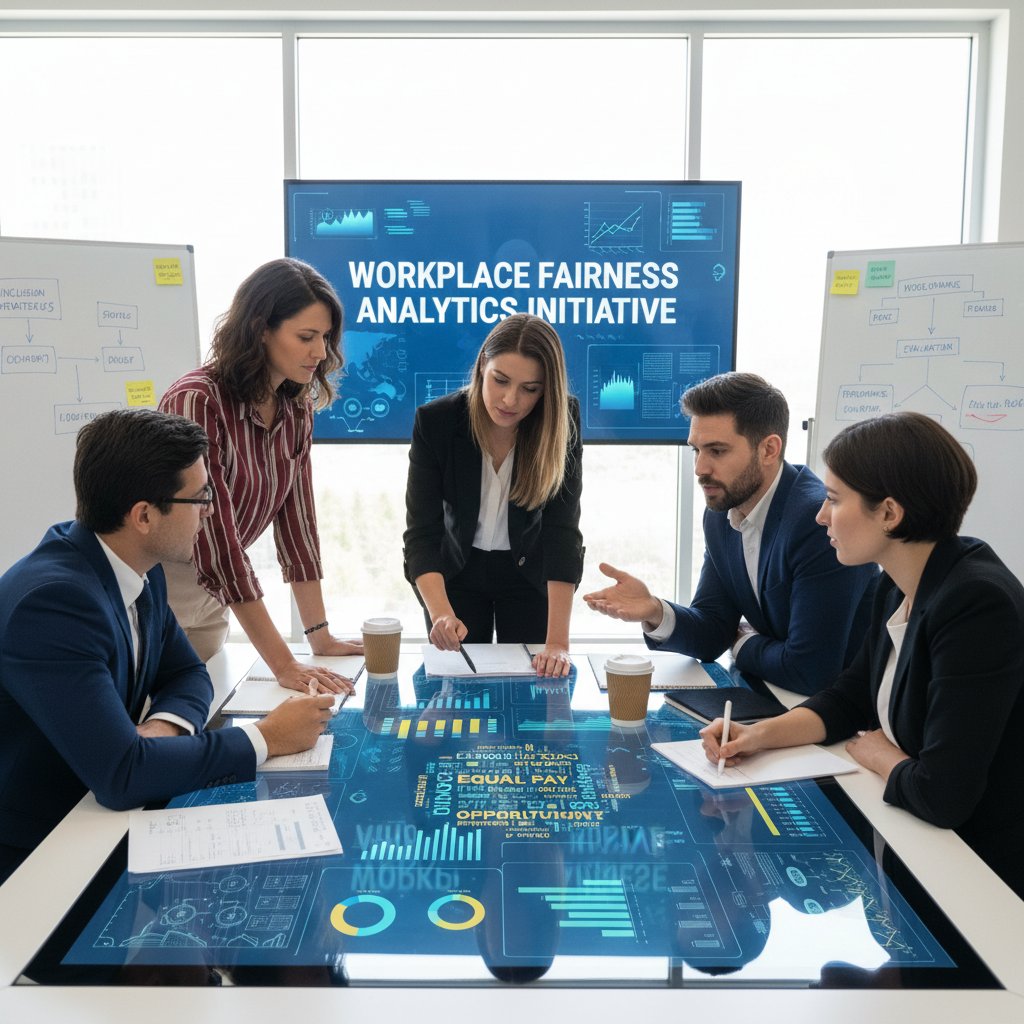
Building trust means looping in employees early, explaining how data is used, and offering opt-outs where feasible. As one HR leader from a tech giant put it, “If your people don’t trust the system, they’ll game it—or leave.”
Choosing your path: how to select and implement ai-powered HR analytics (without regrets)
Step-by-step: getting from zero to AI-powered hero
Implementing ai-powered automated HR analytics? Here’s your survival guide:
- Assess your current HR data maturity—inventory systems and data quality.
- Define clear business goals—avoid analytics for analytics’ sake.
- Secure cross-functional buy-in—loop in IT, legal, and business leaders.
- Map out compliance requirements—GDPR, CCPA, and local laws.
- Shortlist vendors with proven industry expertise and real-world case studies.
- Demand transparency in algorithms and data usage.
- Pilot with a focused use case (e.g., attrition prediction).
- Measure outcomes, not just outputs—link analytics to business results.
- Develop ongoing training and change management plans.
- Audit and iterate—continuously test for bias and relevance.
Aligning your AI strategy with real business outcomes is non-negotiable. Avoid “shiny object syndrome”—focus on what moves the needle for your organization.
Checklist: HR analytics readiness self-assessment
- Do you have clean, accessible HR data?
- Is your leadership onboard with analytics-driven change?
- Do you have a plan for ongoing training?
- Can you map data flows and ensure compliance?
- Are employees aware and engaged in the process?
- Is there a feedback loop for algorithmic decisions?
Red flags and deal-breakers: what to watch for in vendors
8 warning signs your AI vendor is overselling:
- Black box algorithms with no audit trail
- “Guaranteed” ROI with no supporting math
- No documented process for bias detection
- Minimal industry-specific case studies
- Over-promising on scope (“One platform to rule them all”)
- Lack of integration with core HRIS or payroll systems
- Pushback on external audits or transparency requests
- No clear plan for ongoing support and updates
External audits and open-source models offer a measure of protection. Vendor claims are just the start—continuous evaluation post-launch keeps hype in check.
Integration, scaling, and the reality of change management
Integrating automated analytics with legacy HR systems is… rarely smooth. Expect data silos, API mismatches, and resistance from stakeholders wary of disruption. The solve? Cross-functional buy-in—bring IT, legal, and HR to the table early—and invest in continuous training to keep everyone moving up the learning curve.
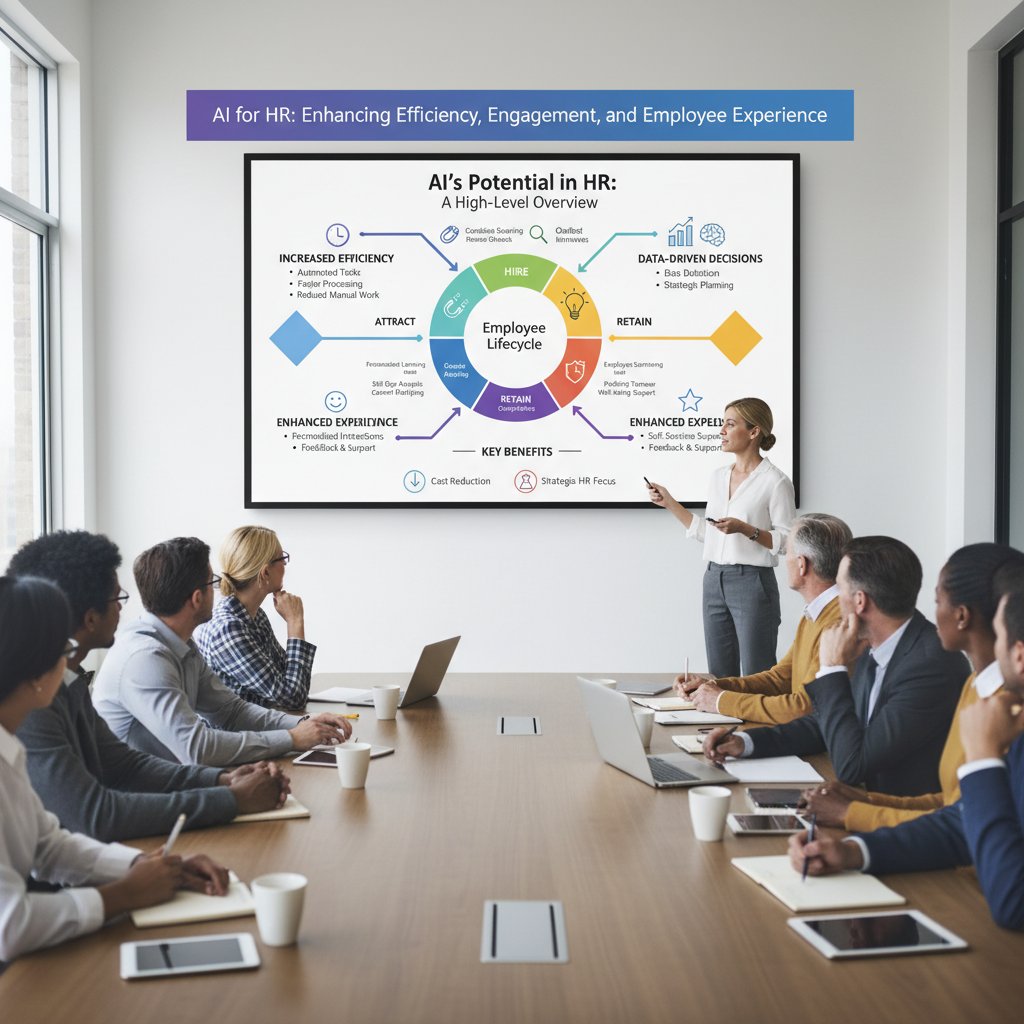
Scaling analytics is a marathon, not a sprint. It’s not just about plugging in a platform, but about rewiring how decisions are made. The most successful teams blend skepticism, adaptability, and relentless focus on outcomes—not outputs.
ROI or vaporware? Making the business case for ai-powered automated HR analytics in 2025
Crunching the numbers: what’s the real cost—and payoff?
AI-powered HR analytics isn’t free—or even cheap. Upfront costs include software licenses, integration, data cleanup, and training. But the payoff can be transformative: slashed time-to-hire, lower turnover, and freed-up HR capacity.
| Cost Component | Estimated Range (USD) | Notes |
|---|---|---|
| Software License | $20,000–$250,000/year | Scales with workforce size |
| Integration | $10,000–$100,000 | Depends on system complexity |
| Data Cleanup | $5,000–$50,000 | One-time, often underestimated |
| Training | $2,000–$20,000 | Recurring as updates roll out |
| Ongoing Savings | 15–40% HR ops cost saved | Based on Gartner, 2024 |
Table 4: Cost-benefit analysis of ai-powered automated HR analytics solutions (Source: Original analysis based on industry data, 2024)
Set expectations right: ROI is real, but only with disciplined execution, relentless measurement, and willingness to recalibrate.
Beyond dollars: the new metrics that matter
Classic ROI calculations often miss the true value. Success is now judged on engagement scores, diversity metrics, compliance rates, and real-time employee sentiment. According to PeopleSpheres, 2023, companies leveraging predictive analytics report not just cost savings, but upticks in morale and innovation.
Focusing solely on what’s easy to measure—like cost per hire—misses the point. The real win is a smarter, more adaptable workforce. Platforms like futuretask.ai offer organizations credible, automated analytics that prioritize trust, transparency, and tangible results.
Debunking the ROI myths vendors love to tell
Common misconception: AI analytics will “guarantee” 10x returns overnight. The truth?
"If someone promises 10x ROI, ask them to show their math." — Priya, HR analytics consultant
Always interrogate the assumptions: What baseline are they using? Are costs for data cleanup and training included? Is ROI measured on business outcomes—or just system usage? Critical assessment is your best defense against vaporware.
The future of humans and algorithms: where ai-powered HR analytics is headed next
Emerging trends reshaping the HR landscape
Three trends are reshaping the field:
- Explainable AI—making models transparent and decisions defensible.
- Ethical governance—embedding fairness checks and external reviews in every workflow.
- Hyper-personalized analytics—tailoring insights down to the individual, not just the team.
AI is also expanding its impact on mental health, DEI, and employee experience—measuring not just what people do, but how they feel at work. The organizations leading the charge use analytics to support, not surveil.

The coming wave of regulation (and why it matters)
Regulation is no longer a distant threat. Laws around algorithmic transparency, fairness, and accountability are rolling out in major markets. Organizations that treat compliance as a bolt-on will struggle; those that embed ethics into their AI culture will thrive. Staying ahead means constant vigilance—a space where futuretask.ai provides up-to-date resources and frameworks for responsible AI adoption.
Will AI ever truly understand us?
No matter how advanced, AI can’t fully decode the messy, contradictory, and emotional reality of human behavior. Models can predict, but not empathize; analyze, but not understand intent. The future will be shaped by how organizations negotiate this tension—whether through symbiotic integration, outright resistance, or something stranger.
What matters most is your willingness to interrogate your own values. Are you in it for speed, fairness, innovation, or all three? The answers will shape your path.
Conclusion: uncomfortable truths, new opportunities, and your next move
Key takeaways: what every HR leader needs to remember
- AI-powered automated HR analytics is inevitable—and essential for modern HR.
- Not all “AI” solutions are created equal; demand transparency and proof.
- The human element is irreplaceable—automation augments, not substitutes.
- Bias is a certainty; vigilance and regular audits are mandatory.
- Privacy and trust are non-negotiable—handle data with care.
- ROI is real but requires discipline, skepticism, and ongoing measurement.
- The winners will be those who adapt, question, and lead—not just adopt new tech.
The biggest surprise? The most advanced tools can’t fix broken processes or cultures. The most actionable insight? Focus first on your people, then on your platforms.
Your questions, answered: busting the last myths
-
Does AI really remove bias from HR?
No—algorithms can amplify bias if not actively audited and corrected. -
Is my employee data safe with AI-powered analytics?
Only if your platform enforces strict privacy and compliance controls. -
Can AI “read” employee emotions accurately?
It can detect patterns, but real empathy requires human judgment. -
Are all HR tasks automatable?
No—complex, nuanced decisions still need people in the loop. -
Will implementing AI mean layoffs in HR?
Evidence shows AI augments roles, shifting focus to strategy over admin. -
Is AI in HR just a passing trend?
No—the data and adoption rates show it’s here to stay.
Challenge every assumption, demand real evidence, and be prepared to reimagine what “people operations” can be.
The only certainty: change
One thing is clear: the age of ai-powered automated HR analytics isn’t coming—it’s already here. Adaptability, skepticism, and curiosity will separate winners from also-rans. The comfort zone is over. It’s time to meet the crossroads—will you lead, or follow?

Every organization has a choice: double down on legacy thinking, or embrace the uncomfortable, data-driven truths that define tomorrow’s workplace. The smart money? Be the one who shapes the future—before the algorithms do it for you.
Sources
References cited in this article
- PeopleSpheres(peoplespheres.com)
- Gartner AI in HR(gartner.com)
- Superworks(superworks.com)
- Emerald Insight(emerald.com)
- SHRM Tech Trends 2024(shrm.org)
- Market.us(market.us)
- Transearch(insights.transearch.com)
- Scoop.market.us(scoop.market.us)
- Visual Planning(visual-planning.com)
- Zalaris(zalaris.com)
- Forbes(forbes.com)
- Forbes(forbes.com)
- TechTarget(techtarget.com)
- AIHR(aihr.com)
- SHRM(shrm.org)
- MyLens AI(mylens.ai)
- Darwinbox(blog.darwinbox.com)
- LinkedIn/David Green(linkedin.com)
- AIHR(aihr.com)
- CHRMP(chrmp.com)
- ResearchGate PDF(researchgate.net)
- Analytics Vidhya(analyticsvidhya.com)
- Lingio(lingio.com)
- Analytics India Mag(analyticsindiamag.com)
- Virtasant(virtasant.com)
- Lyzr.ai(lyzr.ai)
- Forbes(forbes.com)
- AIHR Institute(aihr-institute.com)
- Harvard Business Review(amazingworkplaces.co)
- Forbes(forbes.com)
- SHRM(shrm.org)
- American Bar Association(americanbar.org)
- Consultport(consultport.com)
- SHRM(shrm.org)
Automate Your Tasks, Transform Your Business
FutureTask.ai revolutionizes your workflow by automating complex tasks typically outsourced to freelancers and agencies. Our powerful AI-driven platform leverages cutting-edge LLM technology to deliver precision, speed, and consistency at scale. Whether you're managing content creation, data analytics, marketing campaigns, or customer support, FutureTask.ai ensures seamless task execution, significant cost savings, and unmatched efficiency. Transform your business operations, eliminate delays, reduce operational overhead, and gain a competitive advantage with intelligent automation.
Get startedReady to Automate Your Business?
Start transforming tasks into automated processes today
Frequently Asked Questions
What percentage of routine HR tasks have already been automated according to the article?
According to Gartner 2024 data cited in the article, over 69% of routine HR tasks have already been swallowed by automation.
Why does the article argue that AI-powered HR analytics has become unavoidable?
The article argues it's unavoidable because the sheer volume and velocity of workforce data—including attendance logs, performance reviews, chat transcripts, and real-time signals—is too much for human intuition alone to manage, and legacy tools are buckling under the weight.
What is the main concern the article raises about the shift to algorithmic HR decisions?
The article warns that this shift blurs the line between insight and intrusion, where metrics rule morale, code shapes careers, and automated systems make 'people decisions' that have hidden trade-offs and cultural risks beyond the promised ROI.
Has AI-powered HR analytics remained limited to large enterprises?
No; the article indicates that by 2024, even scrappy startups can now access AI-powered HR analytics tools, marking a shift from when it was once a playground only for Fortune 500 companies with large IT budgets.
From the Archive
Explore more from Ai-powered task automation

How AI-Powered Workforce Management Automation Is Reshaping Organizations

Automate HR Processes with AI Without Falling for Vendor Myths

How AI-Powered Employee Evaluations Are Reshaping Performance Reviews

Ai-Powered Business Intelligence Automation: Roi, Risks, Reality

AI-Powered Predictive Analytics Automation: Benefits and Hidden Risks
