AI-Powered Order Fulfillment Automation: the Roi, Risks and Reality
Written with AI assistance under our editorial guidelines
Manual order fulfillment systems suffer from significant operational inefficiencies, with inaccurate inventory and data entry errors causing 62% of order mishaps in legacy operations. AI-powered automation dramatically reduces these errors while addressing the 7-10% annual revenue loss from operational failures in the global logistics industry, helping meet modern customer expectations for fast, accurate delivery.
Step inside any warehouse at peak hour—boxes stacked to the rafters, workers hustling under fluorescent lights, the relentless chorus of beeping scanners and shouted orders. Now, layer in the pressure: e-commerce customers, jaded by same-day delivery promises, expect their orders to appear almost before they click “buy.” This is the crucible where the logistics industry is being remade. But peel back the buzzwords and hype, and a tougher question emerges: is ai-powered order fulfillment automation really living up to its revolutionary billing, or is it just another costly mirage in the logistics desert?
This article is your backstage pass to the raw, unvarnished reality. We’ll cut through the marketing smog, expose the hidden pitfalls, and show you how AI is actually being wielded—warts and all—to rewire global supply chains. You’ll discover why manual order fulfillment is fundamentally broken, how true AI automation shoves aside old paradigms, and what it takes to survive (and thrive) in this relentless race. Whether you’re a scrappy entrepreneur, a seasoned operations manager, or just obsessed with the future of work, this is the truth behind the logistics revolution—delivered with the edge and insight the topic demands.
Why manual order fulfillment is broken
The cost of human error in modern logistics
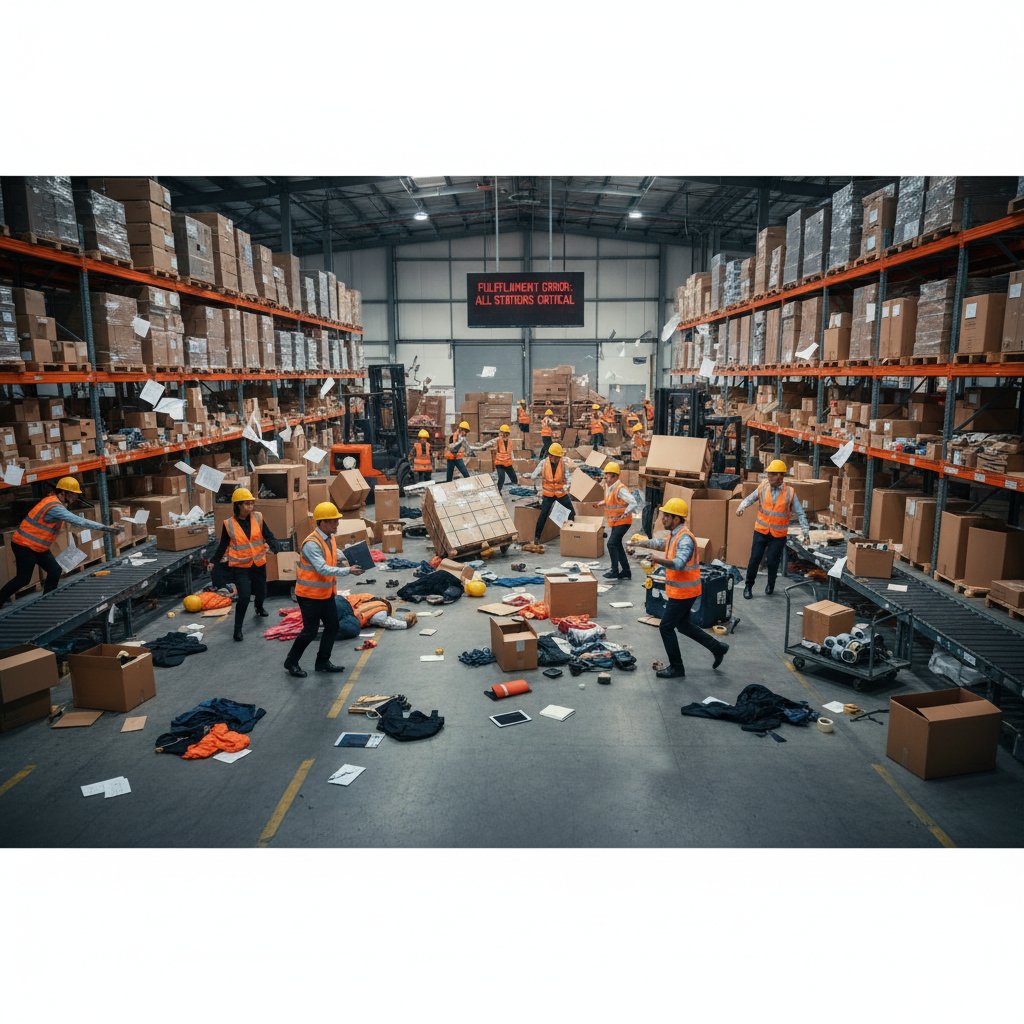
Step into a traditional fulfillment center and chaos is never far behind. Pickers misread SKUs, packers grab the wrong size, labels end up on boxes bound for the wrong city. These slip-ups aren’t just embarrassing—they’re expensive. According to recent analysis, inaccurate inventory and manual data entry errors account for a staggering 62% of order mishaps in legacy operations. Allied Market Research pegged the global logistics industry at $8.96 trillion in 2023, with operational errors and delays chewing up an estimated 7-10% of revenue annually. Those “little” mistakes ripple out as customer complaints, costly returns, and plummeting brand trust.
| Error Type | Manual Fulfillment Error Rate (2024) | AI-powered Fulfillment Error Rate (2024) |
|---|---|---|
| Inventory inaccuracy | 8.5% | 1.2% |
| Order picking mistakes | 7.1% | 0.8% |
| Packing/shipping errors | 6.3% | 0.6% |
| Return processing delays | 9.2% | 1.5% |
Table 1: Comparison of error rates in manual vs. AI-powered fulfillment systems (Source: Original analysis based on Allied Market Research, Straits Research, Logiwa 2024)
The financial toll is relentless. According to Logiwa’s 2024 report, “Manual warehouse operations are a recipe for operational inefficiencies, sky-high labor costs, and countless order management errors.” In a cutthroat industry where a single mistake can cost a customer for life, every percentage point shaved off the error rate is a battle won. For businesses trying to scale, the old ways don’t just creak—they crumble.
The Amazon effect: Racing against impossible expectations
It’s impossible to talk about order fulfillment today without invoking the shadow of Amazon. The e-commerce titan has trained an entire generation to expect their whims to be satisfied overnight—sometimes literally. “Customers want next-day delivery, but most warehouses are stuck in the last decade,” says Jessie, a logistics consultant whose clients span both unicorns and mom-and-pop outfits.
In this environment, smaller operations are forced to either play catch-up or risk irrelevance. The bar for speed, accuracy, and visibility is set sky-high, and even a minor slip—late tracking update, out-of-stock item, or mishandled return—can incite a social media firestorm. Warehouses still relying on manual systems and human labor find themselves perpetually one crisis away from disaster. The result is a grinding pressure, where every operator feels like they’re in a never-ending sprint with their shoelaces tied together.
What is ai-powered order fulfillment automation, really?
Beyond the buzzwords: Defining true AI automation
Not all “automation” is created equal. There’s a world of difference between slapping a few conveyor belts on your warehouse floor and deploying a fully AI-powered order fulfillment automation system. Unfortunately, the term “AI” gets thrown around so liberally in marketing materials that it’s become almost meaningless. Real AI automation means more than basic robotics or inflexible rule-based scripting.
Definition list: Key terms explained in context
- AI (Artificial Intelligence): Software that can interpret data, learn patterns, and make decisions with minimal human intervention. In logistics, this means systems that optimize routes or predict inventory needs.
- Machine Learning: Subset of AI where algorithms improve over time through exposure to new data. Used for demand forecasting and anomaly detection.
- LLMs (Large Language Models): Advanced AI models trained on massive datasets, enabling them to understand and generate human-like text—crucial for automating complex communications and data interpretation.
- Warehouse Robotics: Physical robots—often mobile—deployed for picking, sorting, or transporting goods.
- Computer Vision: AI systems that “see” and interpret images (e.g., scanning barcodes, checking box conditions).
Many companies still call their barcode scanners “AI.” The real deal leverages learning algorithms and neural networks to make decisions that grow sharper with every cycle. It’s not about replacing the human touch—it’s about supercharging it, crushing inefficiency at every link in the chain.
How modern AI platforms (like futuretask.ai) disrupt old models
The new breed of AI-driven platforms—think futuretask.ai and its peers—go several layers deeper. These systems fuse large language models, robotics, computer vision, IoT sensors, and adaptive analytics in a seamless, integrated dance. The result: fulfillment centers that don’t just execute rules, but actively learn from every pick, pack, and ship.

What sets this approach apart is adaptability. Legacy automation might handle repeatable tasks, but when things go sideways—unexpected demand surges, a missing part, a sudden shift in SKU popularity—AI-powered systems re-route, re-prioritize, and re-balance in real time. According to Straits Research, over 50% of logistics giants like FedEx and UPS have ramped up AI adoption since 2023, and cloud-based solutions now dominate over 60% of new deployments. The takeaway: the future belongs not to the rigid, but to the relentlessly adaptive.
The anatomy of an AI-powered fulfillment system
Core components: From LLMs to robotic arms
Beneath the surface of AI-powered order fulfillment automation, an intricate web of hardware, software, and data works in concert to deliver results that traditional systems can only dream of.
- Large Language Models (LLMs): Serve as the brains, interpreting complex instructions, customer communications, and logistics data to streamline decision-making.
- Computer Vision: Powers everything from automated barcode scanning to defect detection, ensuring accuracy in real time.
- Robotics: Robotic arms and autonomous mobile robots (AMRs) handle picking, sorting, and transportation with sub-millimeter precision.
- IoT Sensors: Embedded throughout the warehouse, these sensors track inventory movement, temperature, and even machine health.
- Analytics Engines: Digest and analyze torrents of data, producing actionable insights and predictive forecasts.

According to Allied Market Research, the logistics automation market was valued at $65 billion in 2023 and is projected to triple within a decade. This growth is fueled by relentless innovation at the intersection of these technologies.
How data flows fuel smarter decisions
Real-time data is the lifeblood of any AI-driven operation. Sensors feed information into analytics engines, which in turn inform LLM-driven decision models. The system learns continuously, optimizing picking routes, detecting anomalies, and even predicting which SKUs will spike next.
| Feature | Manual Fulfillment Systems | AI-powered Fulfillment Systems |
|---|---|---|
| Decision-making | Reactive, human-driven | Proactive, AI-driven |
| Adaptability | Low | High (real-time) |
| Reporting | After-the-fact, manual | Instant, automated |
| Inventory visibility | Partial, error-prone | End-to-end, real time |
Table 2: Feature matrix comparing manual and AI-powered fulfillment systems (Source: Original analysis based on Allied Market Research, Straits Research, Locus Logistics Trends 2024)
But here’s the catch: bad data in means bad automation out. Clean, high-quality data is non-negotiable. Poorly maintained databases and inaccurate inventory counts can turn a cutting-edge system into a liability—a lesson some early adopters learned the hard way.
Case studies: Winners (and losers) in AI fulfillment
How a small brand outperformed the big guys with AI
It’s not just the behemoths reaping the rewards. Take the story of an upstart apparel brand (let’s call them “ThreadRush”) that deployed AI-powered order fulfillment automation in their modest, 10,000-square-foot warehouse. Within a month, their shipping speeds tripled and labor costs dropped by half.
"We shipped 3x faster and cut costs by half after automating." — Alex, SMB founder

The secret wasn’t just robotics, but the orchestration—data-rich feedback loops, adaptive routing, and predictive stocking. While larger competitors scrambled to adjust, ThreadRush surfed over bottlenecks, earning rave customer reviews and viral social proof. AI didn’t just level the playing field—it tipped it in their favor.
When AI automation goes wrong: Lessons from the front lines
Of course, the edge cuts both ways. Another operator, seduced by glossy promises, implemented an “AI” platform without auditing their data or retraining staff. The rollout led to chaos: incorrect orders, lost inventory, and angry customers.
Red flags before adopting AI automation:
- Data silos and outdated records that will poison your algorithms
- Employees kept in the dark, fueling resistance and sabotage
- “Set-it-and-forget-it” mentality—AI needs active oversight
- Lack of fallback plans for system outages or anomalies
Recovery took months, and only after revisiting their integration, retraining teams, and cleaning up their data pipeline did order start to emerge from chaos. The lesson: AI isn’t a miracle cure—it’s a high-performance engine that needs premium fuel and tuning.
Debunking myths: What AI automation can’t (yet) do
Why 'AI replaces all humans' is a dangerous fantasy
The myth that AI will simply erase humans from the warehouse floor is not just naïve—it’s dangerous. Current systems, no matter how slick, still rely on human judgment for the weird, the unpredictable, and the un-codifiable.
"AI handles routine, but humans tackle the weird and unpredictable." — Maya, robotics engineer
There’s still no substitute for an experienced worker’s intuition when a shipment is damaged, a customer makes a bizarre request, or a machine throws a tantrum. The best AI-powered order fulfillment automation systems complement—not replace—human skills. According to Locus Logistics Trends, AI excels at the repetitive and data-driven, but human oversight remains the safety net.
The hidden labor behind so-called 'autonomous' warehouses
Every “autonomous” system masks a small army of invisible workers: data labelers who feed training sets, field technicians who keep robots humming, on-call troubleshooters who leap in when the algorithms stumble.
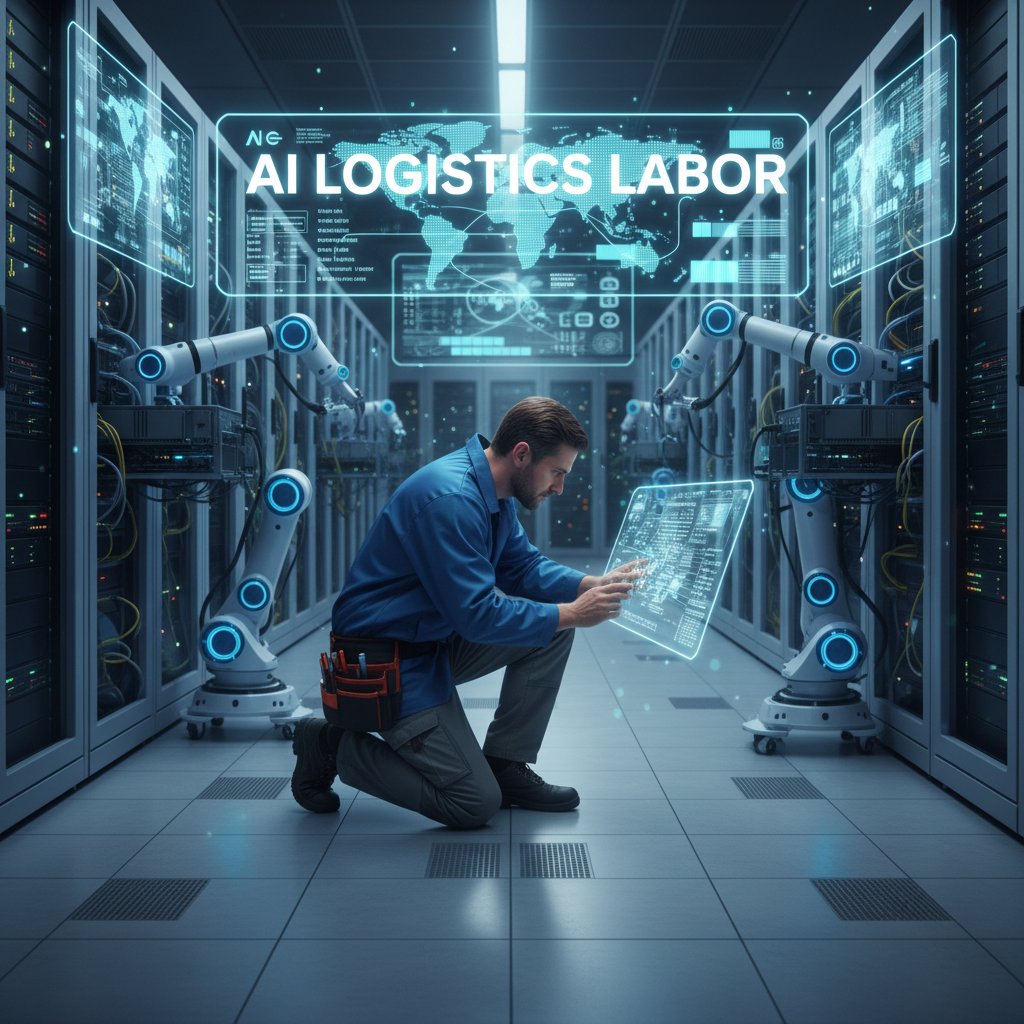
Ethically, this raises tough questions. Who is accountable when the system fails? How are gig workers, often far from the warehouse itself, treated? AI may reduce drudgery, but it shifts the labor—sometimes to more precarious, less visible roles. Addressing these issues is no less urgent than optimizing delivery speeds.
The economics: ROI, hidden costs, and the bottom line
The real math of AI-powered fulfillment
AI-powered order fulfillment automation is rarely cheap up front. Hardware, system integration, staff retraining—it all adds up. But the payoff is equally dramatic: lower labor costs, fewer errors, higher throughput.
| Cost Component | Manual Fulfillment (3-year total) | AI-powered Fulfillment (3-year total) |
|---|---|---|
| Labor | $800,000 | $320,000 |
| Errors/Returns | $120,000 | $30,000 |
| System Maintenance | $45,000 | $60,000 |
| Upfront Investment | $40,000 | $200,000 |
| Total | $1,005,000 | $610,000 |
Table 3: ROI comparison for a mid-sized e-commerce operation over three years (Source: Original analysis based on Allied Market Research, Logiwa, Straits Research 2024)
Hidden costs lurk, though: poor integration, underestimated retraining, or unexpected downtime can sink your ROI fast. That’s why experts emphasize phased rollouts and robust contingency planning.
Is AI automation only for the big players?
For years, AI fulfillment seemed like a billionaire’s club perk. But rapid advances and platforms like futuretask.ai are democratizing access. Cloud-based, pay-as-you-go models mean even the smallest operator can tap into the same bleeding-edge tech that powers the big guys.
How to assess if your business is ready for AI automation:
- Audit your workflow: Map out every step, from receiving to return.
- Evaluate data quality: Are your records current, accurate, and digital?
- Identify volume thresholds: Do you process enough orders to benefit?
- Calculate opportunity costs: What’s the real price of your current inefficiencies?
- Gather your team: Ensure buy-in from leadership to frontline staff.
- Pilot, then scale: Start small, fix issues, then expand.
Don’t overlook public resources and community-led initiatives—online forums, government grants, and trade associations offer support and guidance. The walls between small and large operators are crumbling, and the timing for a leap has never been better.
Implementation: From assessment to full-scale deployment
How to audit your fulfillment process for AI readiness
Success starts long before the first robot glides across the floor. A rigorous audit of your current fulfillment process is essential.
Checklist: Are you ready for AI-powered order fulfillment automation?
- Inventory is regularly counted and digitally tracked
- Workflows are documented in detail
- Data is centralized and accessible
- Staff are open to digital tools and training
- Existing bottlenecks are clearly identified
- IT systems can support integration (APIs, cloud services)
- Contingency plans exist for system downtime

The more thorough your prep, the smoother your transition to automation. Skipping this step is gambling with your ROI—and your reputation.
Common pitfalls and how to sidestep them
Even the smartest AI can’t overcome human stubbornness or poor planning. The most frequent mistakes? Underestimating change aversion, neglecting cross-functional communication, and assuming the system will “just work” out of the box.
Hidden benefits of working with real AI-powered order fulfillment automation experts:
- Unbiased, data-driven workflow mapping
- Honest feedback on data quality
- Custom integration strategies (not one-size-fits-all)
- Ongoing training and support for staff
- Early identification of potential system vulnerabilities
- Faster troubleshooting and recovery options
A successful rollout is a team sport. Build a cross-functional implementation squad—operations, IT, warehouse staff, data experts—to keep the project on track and the learning curve manageable.
The human element: Workers, culture, and the new fulfillment workforce
How AI changes jobs—on the ground and in the boardroom
AI-powered order fulfillment automation isn’t just rewriting code; it’s rewriting job descriptions. Workers who once spent hours walking warehouse aisles now manage fleets of robots or interpret real-time dashboards. Managers shift from fire-fighting to scenario planning, leveraging predictive analytics to outpace demand swings.

This shift demands new skills: digital literacy, systems thinking, and a willingness to collaborate with machines. Retraining and upskilling are no longer optional. Smart organizations invest in ongoing education to prevent talent drain and keep morale high.
Voices from the floor: What fulfillment workers really think
Change is rarely easy, and the arrival of AI can spark anxiety. But for many frontline workers, the reality is more nuanced.
"It's weird at first, but the bots take care of the boring stuff." — Jordan, warehouse worker
The daily grind of repetitive picking and packing—often a source of fatigue and injury—is disappearing. Workers now focus on exception handling, process improvement, or customer service. But the transition requires attention to worker well-being, fair compensation, and a culture that values adaptation as much as efficiency.
The future of order fulfillment: Beyond automation
Emerging trends: Autonomous supply chains, predictive logistics, and more
The pace of change is dizzying—and it’s not slowing down. Predictive analytics, generative AI models, and increasingly autonomous supply chains are reshaping what’s possible in order fulfillment.
Timeline of key breakthroughs in order fulfillment automation:
- 2010s: Introduction of mobile warehouse robotics (AMRs)
- 2015-2019: Widespread adoption of cloud-based WMS platforms
- 2021: Computer vision-enabled defect detection in mainstream use
- 2023: LLM-powered communication tools integrated into fulfillment platforms
- 2024: Cloud AI solutions cover 60% of new logistics deployments
- Present: Predictive inventory and micro-fulfillment centers on the rise

Will AI-powered fulfillment ever be truly hands-off?
Experts remain divided. While some hail the “lights out” warehouse as the inevitable endgame, others caution that total autonomy is a pipe dream—at least for now. Even the most advanced systems require oversight, ethical guardrails, and human creativity.
Platforms like futuretask.ai are leading the charge, offering adaptive, AI-driven solutions that bridge the gap between ambition and reality. The next five years will likely see more convergence—AI and humans not as rivals, but as collaborators forging a new standard of operational excellence.
Conclusion
The logistics revolution isn’t coming—it’s already here. AI-powered order fulfillment automation is reshaping how businesses move goods, serve customers, and survive in a market where speed and precision are non-negotiable. But the truth is more complicated, more human, and more fascinating than the hype lets on.
Manual fulfillment systems are buckling under the weight of modern expectations. AI offers a way out—not by erasing people, but by amplifying their strengths and trimming their weaknesses. The winners are those who prepare, invest in data quality, involve their teams, and treat the technology as a tool, not a silver bullet.
Whether you’re an e-commerce disruptor, a logistics lifer, or just an interested observer, one thing is clear: the companies that master AI-powered order fulfillment automation are not just surviving—they’re thriving, redefining what’s possible at the intersection of technology and human ingenuity.
If you’re ready to explore the possibilities, the time to start is now. The only thing more dangerous than moving too fast is standing still.
Sources
References cited in this article
- Allied Market Research(procurementtactics.com)
- Straits Research(straitsresearch.com)
- Locus Logistics Trends(locus.sh)
- Standvast(standvast.com)
- Launch Fulfillment(launchfulfillment.com)
- Worldmetrics(worldmetrics.org)
- Statista(statista.com)
- SupplyChain247(supplychain247.com)
- Logistics Management(logisticsmgmt.com)
- OSARO AutoModel(osaro.com)
- Flatout Fulfillment(flatoutfulfillment.com)
- Forbes Tech Council(forbes.com)
- AIoneers(aioneers.com)
- SupplyChainBrain(supplychainbrain.com)
- IBM AI Workflow(ibm.com)
- Deloitte(www2.deloitte.com)
- GrowthJockey(growthjockey.com)
- Google Cloud(cloud.google.com)
- Miebach(miebach.com)
- Digital Commerce 360(digitalcommerce360.com)
- Statista AI/ML Impact(statista.com)
- CIO.com(cio.com)
- Webopedia(webopedia.com)
- Industry4o.com(industry4o.com)
- Pegasus Logistics(pegasuslogistics.com)
- Fulfillment IQ(fulfillmentiq.com)
- TechCrunch(techcrunch.com)
- WiFiTalents(wifitalents.com)
- Meticulous Research(meticulousresearch.com)
- Triple Whale(triplewhale.com)
Automate Your Tasks, Transform Your Business
FutureTask.ai revolutionizes your workflow by automating complex tasks typically outsourced to freelancers and agencies. Our powerful AI-driven platform leverages cutting-edge LLM technology to deliver precision, speed, and consistency at scale. Whether you're managing content creation, data analytics, marketing campaigns, or customer support, FutureTask.ai ensures seamless task execution, significant cost savings, and unmatched efficiency. Transform your business operations, eliminate delays, reduce operational overhead, and gain a competitive advantage with intelligent automation.
Get startedReady to Automate Your Business?
Start transforming tasks into automated processes today
Frequently Asked Questions
What percentage of order mishaps in legacy fulfillment operations are caused by inventory inaccuracy and manual data entry errors?
According to recent analysis cited in the article, inaccurate inventory and manual data entry errors account for 62% of order mishaps in legacy operations.
How much of the global logistics industry's revenue is lost annually due to operational errors and delays?
The article states that operational errors and delays in the global logistics industry (valued at $8.96 trillion in 2023) consume an estimated 7-10% of revenue annually.
What is the error rate difference between manual and AI-powered fulfillment for inventory inaccuracy?
According to the 2024 comparison table in the article, manual fulfillment has an inventory inaccuracy error rate of 8.5%, while AI-powered fulfillment achieves 1.2%.
Why does the article argue that manual order fulfillment is fundamentally broken?
The article identifies that manual fulfillment centers experience frequent human errors—such as pickers misreading SKUs, packers grabbing wrong sizes, and mislabeled boxes—which result in costly returns, customer complaints, and loss of brand trust.
From the Archive
Explore more from Ai-powered task automation

Ai-Powered Warehouse Automation: Real ROI and Operational Risks

Ai-Powered Shipping Automation: Roi, Risks, and Failure Points

Ai-Powered Logistics Automation: Market Growth and Overlooked Risks

Ai-Powered Automated Demand Planning: How It Transforms Supply Chains

AI Automation in Ecommerce: What Delivers and What Disappoints