
The Dark Side of Ai-Powered Predictive Analytics Automation
Written with AI assistance under our editorial guidelines
AI-powered predictive analytics automation promises faster decisions and fewer human errors, with 75% of businesses now using AI and global spending reaching $184 billion in 2024. However, blindly adopting these tools without understanding their limitations and potential pitfalls can be dangerous, as success requires seeing through hype and mastering the actual constraints of algorithmic systems.
Picture this: a sprawling control room, lights blinking, data streaming across a dozen monitors—except there’s no army of analysts, just algorithms humming in the background. That’s the new reality with ai-powered predictive analytics automation. In 2025, businesses are waking up to the fact that what was once the playground of overworked data scientists and expensive agencies is now automated, relentless, and—if you’re not careful—utterly unforgiving. The hype is real, but so are the hard truths. Automation isn’t just a buzzword; it’s a tidal wave, pushing companies to confront brutal inefficiencies, data chaos, and the myth that machines are infallible. With over 75% of businesses now leveraging AI in some form, and predictive analytics engines slashing costs and human error, ignoring this shift isn’t just risky—it’s reckless. But as you’ll see, the winners aren’t those who blindly plug in the latest tool, but those who see through the smoke, outthink the algorithms, and master the new rules of digital warfare.
Why everyone’s obsessed with ai-powered predictive analytics automation
The promise: more speed, less human error
Walk into any modern office and you’ll hear the new mantra: let the AI do the heavy lifting. The rise of ai-powered predictive analytics automation isn’t just another tech trend—it’s a mass migration from manual number-crunching to relentless, tireless machine analysis. According to CompTIA, over 75% of businesses are now using some form of AI, with global spending on AI-driven platforms soaring to $184 billion in 2024, up nearly $50 billion from the previous year. The lure? Speed, scale, and the tantalizing promise of fewer screw-ups. Suddenly, a single AI system can process reams of data faster than a room full of analysts on their fifth cup of coffee, highlighting patterns even the sharpest human would miss. Decision-makers are promised “human error reduction” and “actionable insights before you can blink”—and in many cases, the hype isn’t entirely misplaced.

But here’s the catch: the stampede towards automation isn’t just about being faster. It’s a backlash against years of bottlenecks, late-night fire drills, and the existential dread of botched forecasts. For leaders burned by missed opportunities and expensive “expert” blunders, predictive automation feels like a lifeline.
The pain: traditional analytics bottlenecks exposed
If you’ve ever waited days for an agency to deliver a report or had a freelancer disappear with your data, you know the pain is real. Manual analytics isn’t just slow—it’s riddled with landmines. Each handoff introduces delay, each manual step opens the door to miscommunication or simple mistakes. The result? Missed deadlines, blown budgets, and a nagging suspicion that your “cutting-edge insight” is already obsolete.
- Delays that kill momentum: A single revised brief can set a project back a week, especially when you’re juggling multiple vendors or time zones. Waiting on human hands means business moves at a crawl.
- Miscommunications and lost context: Every transfer between analysts, managers, and clients is a game of telephone—details get muddled, context is lost, and insights turn lukewarm.
- Inconsistent quality: The same analytics brief handed to two different freelancers rarely produces the same outcome. Human error and “off days” creep in, leading to unpredictable deliverables.
- Hidden costs: Agencies and freelancers tack on fees for revisions, data wrangling, and “consultations,” all while you shoulder the risk of underwhelming results.
- Data privacy headaches: The more hands your data passes through, the greater the risk—especially with rising compliance pressures.
Sticking with the old guard isn’t just expensive; in 2025, it’s a competitive handicap.
The reality check: hype vs. what’s actually working
Of course, the AI marketing machine sells a story of effortless, plug-and-play genius. But here’s where more seasoned leaders get burned. Predictive analytics automation isn’t magic—it’s a relentless process, and the tech only works as well as the data and oversight behind it. According to research from Eluminous Technologies, 2024, the real-world results are powerful but far from perfect: improved speed, yes; flawless predictions, no. The dirty secret? AI can’t fix bad data, corporate resistance, or broken processes. If you don’t know the right questions to ask or you trust automation blindly, you’re just automating chaos.
"If you expect magic, you’ll get mayhem. Automation is powerful, but it’s not omniscient." — Maya, data scientist
In 2025, the winners aren’t those who buy the most expensive AI or outsource the fastest—they’re the ones who see through the hype, demand transparency, and keep a human hand on the wheel.
Breaking down the tech: how ai-powered predictive analytics automation actually works
What’s under the hood: LLMs, data pipelines, and automation engines
Beneath the glossy dashboards and clever branding, ai-powered predictive analytics automation runs on a complex ecosystem—part brute-force computation, part elegant adaptation. Let’s pull back the curtain.
Large Language Models are neural networks trained on vast datasets to understand, generate, and analyze language. In predictive analytics, they parse unstructured data (emails, reports, social feeds), spot trends, and translate business needs into data queries.
This is the science (and art) of using statistical techniques and machine learning to forecast outcomes. It chews through historical and real-time data, finding patterns humans would miss, and spits out actionable probabilities.
The glue holding everything together. Automation engines orchestrate the flow of data from source to model to actionable dashboard, reducing manual intervention and speeding up delivery.
AI’s Achilles heel. Algorithms inherit biases present in training data. Bias correction modules flag and attempt to mitigate these, but—spoiler alert—it’s not foolproof.
Each component is essential, but together, they form a ruthless conveyor belt: data flows in, predictions flow out, and manual bottlenecks are sliced away. But as any pro will tell you, the devil is in the data quality, model selection, and oversight.
From data ingest to insight: an automated workflow in motion
So how does your customer data transform into a forecast that actually moves the needle? Here’s a step-by-step snapshot of the workflow inside a modern AI-powered predictive analytics platform:
- Data ingestion: Raw customer, transaction, or operations data is pulled from multiple sources—databases, spreadsheets, emails, and third-party APIs.
- Data cleaning: Automated scripts scrub, deduplicate, and normalize the data. Garbage in, garbage out—the system is only as smart as its inputs.
- Feature engineering: The AI “decides” which variables matter. Maybe it flags purchase frequency, time of day, or even sentiment in customer reviews.
- Model training: Historical data feeds machine learning models, which learn the relationships between variables and desired outcomes.
- Prediction and scoring: The trained model analyzes new data, generating predictions—who’s likely to buy, when demand spikes, or where resources are wasted.
- Insight delivery: Automated dashboards, alerts, or API calls present the findings, often with recommended actions.
- Continuous feedback: Results are monitored; if predictions miss the mark, the system retrains or gets flagged for human review.
This relentless cycle is why AI-powered analytics can process and react faster than any traditional workflow. But every step—especially data cleaning and feature selection—remains a potential point of failure.
The wild card: continuous learning or catastrophic forgetting?
Here’s the exhilarating and terrifying part: modern AI systems are designed to learn from new data, adapting as patterns shift. But sometimes, in chasing new signals, they “forget” what made them accurate in the first place—a phenomenon called catastrophic forgetting. Real-world examples abound: a retail AI that nails holiday demand in one year but tanks the next when consumer behavior shifts; a healthcare model that suddenly misclassifies high-risk patients after a data update.

Continuous learning is a double-edged sword: done right, it keeps your predictions sharp; left unchecked, it can scramble your insights overnight. That’s why best-in-class platforms combine automated learning with vigilant human oversight—because when the model drifts, so does your bottom line.
Case studies: wins, failures, and weird use cases you didn’t see coming
When automation works: the 2025 success story playbook
Let’s get real: the hype is justified—but only when everything clicks. Take the composite case of a mid-size e-commerce company. Drowning in delayed reports and inconsistent freelancer output, they switched to an AI-powered predictive analytics automation platform. Within months, they saw measurable shifts: cost savings, faster turnarounds, and accuracy that made manual work look prehistoric.
| Metric | Manual Analytics | Freelancer/Agency | AI-Powered Automation |
|---|---|---|---|
| Avg. Report Turnaround | 5 days | 3 days | 2 hours |
| Cost per Analysis | $1,200 | $900 | $300 |
| Forecast Accuracy | 72% | 78% | 88% |
| Revision Rate | 22% | 15% | 6% |
Table 1: Performance comparison for manual vs. agency vs. AI-powered predictive analytics solutions
Source: Original analysis based on CompTIA, Eluminous Technologies, and industry case reports.
These aren’t one-off wins; they’re becoming the new normal. According to CompTIA, 80% of retail executives say AI-powered automation now drives their operational strategies. That’s not just a stat—it’s a tectonic shift in how business is done.
When automation backfires: epic fails and what went wrong
But the risks are real. Consider a healthcare provider that rolled out predictive scheduling to optimize resource allocation—only to have the AI’s bad predictions result in understaffed shifts and a spike in patient complaints. The culprit? Bad training data and zero human oversight.
"We automated too much, too fast, and it nearly tanked us." — Jordan, operations lead
The rush to “set and forget” automation is a trap. No model is immune to bad inputs or shifting realities, and the cost of overreliance shows up in lost revenue, reputational hits, and even regulatory penalties.
Unconventional applications: from climate activism to creative arts
Predictive analytics automation isn’t just for number-crunchers and sales ops. The weirdest—and sometimes most inspiring—use cases are emerging in unexpected corners:
- Climate activism: Environmental groups use AI-powered predictive analytics to forecast pollution spikes and coordinate rapid-response cleanups.
- Creative arts: Musicians feed streaming data into predictive models to spot the next viral trend—or even auto-generate beats tailored to listener moods.
- Wildlife conservation: Automated models analyze satellite imagery to predict animal migration patterns and poaching risks.
- Urban planning: City officials use real-time predictive dashboards to anticipate traffic jams and reroute flows instantly.
- Sports analytics: AI-powered platforms crunch player stats and social buzz to predict game outcomes and fan engagement spikes.
Automation is smashing industry boundaries, proving that when it comes to prediction, the only limit is imagination—and the quality of your data.
Myth-busting: what ai-powered predictive analytics automation can’t do (yet)
No, AI won’t replace every analyst tomorrow
Hyped-up headlines aside, the grim reaper isn’t coming for every analyst gig—at least, not yet. The myth of total human replacement persists, but the reality is more nuanced. AI excels at crunching numbers, but it’s still clueless when it comes to context, intuition, and asking the right questions. As one analytics consultant put it:
"AI is a tool, not a mind reader. You still need humans asking the right questions." — Alex, analytics consultant
In sectors like finance and healthcare, compliance rules, interpretability, and the need for ethical judgment ensure humans remain firmly in the loop. AI might automate the grunt work, but oversight and critical thinking aren’t going out of style.
Automation ≠ infallibility: the bias trap
Here’s the uncomfortable truth: automation can turn small mistakes into catastrophic blunders. Bias in training data or model design doesn’t just persist—it scales. Predictive analytics platforms can perpetuate inequities in hiring, lending, or resource allocation if left unchecked.
| Bias Type | Description | Real-world Impact |
|---|---|---|
| Selection Bias | Skewed sample data leads to bad predictions | Overlooking key customer groups |
| Confirmation Bias | Models reinforce existing assumptions | Self-fulfilling prophecies |
| Data Drift | Changing real-world conditions unaccounted | Stale insights, bad decisions |
| Label Bias | Incorrect data labeling | Misclassification, regulatory risk |
| Automation Bias | Blind trust in AI output | Unquestioned adoption of errors |
Table 2: Common AI bias types and their real-world impact on predictive analytics outcomes
Source: Original analysis based on peer-reviewed research and verified industry cases.
Unchecked, these biases can torpedo trust and trigger regulatory scrutiny. Vigilance isn’t optional—it’s essential.
The integration headache: why plug-and-play is a fantasy
Tech evangelists love to promise “plug-and-play” solutions, but integrating ai-powered predictive analytics automation with legacy systems is a battle. Old databases, siloed spreadsheets, and archaic CRMs don’t like playing nice with sleek new AI engines. The result? Frankenstein workflows, unreliable data handoffs, and endless troubleshooting.

Successful integration requires more than just APIs—it demands data mapping, stakeholder buy-in, and a willingness to untangle years of technical debt. Anyone who says otherwise hasn’t spent enough nights wrestling with broken workflows.
Agencies, freelancers, or ai-powered automation: who really wins in 2025?
Comparing cost, speed, and control
Here’s where the rubber meets the road. Businesses are spoiled for choice: stick with big-name agencies, wrangle freelancers, or bet on ai-powered predictive analytics automation. Each route has trade-offs, and the stakes are high.
| Factor | Agencies | Freelancers | AI Automation Platform |
|---|---|---|---|
| Cost | High (retainers, fees) | Medium (hourly/project) | Low (subscription/usage) |
| Turnaround | Slow (days/weeks) | Moderate (days) | Fast (minutes/hours) |
| Control | Limited (outsourced) | Variable | High (direct, customizable) |
| Scalability | Limited (resource-bound) | Very limited | Massive (on-demand) |
| Consistency | Inconsistent | Variable | High (standardized) |
Table 3: Comparison of agencies, freelancers, and AI-powered automation on cost, speed, control, and scalability
Source: Original analysis based on CompTIA and industry case studies.
The takeaway? AI platforms like futuretask.ai are rapidly eroding the old value proposition of agencies and freelancers—delivering not just savings, but speed and unprecedented control.
The hidden costs agencies won’t advertise
It’s not just about the sticker price. Traditional service providers come with a host of hidden costs that rarely make the sales deck:
- Markups and “advisory” charges: Agencies bury fees in layers of management and “strategic oversight,” inflating final costs.
- Lock-in contracts: Multi-month commitments keep you on the hook long after the value disappears.
- Communication lags: Each additional stakeholder adds layers of email ping-pong, slowing down iterations.
- Opaque processes: Lack of transparency means you’re often left guessing how your data is handled—or mismanaged.
- Slow adaptability: Agencies and freelancers move at human speed; when the market shifts, you’re stuck in yesterday’s workflow.
In 2025, businesses chasing agility increasingly cut out the middleman, relying on internal teams plus targeted automation to stay ahead.
When to trust a machine—and when to hire a human
The million-dollar question: do you go full auto, or bring in the experts? The answer depends on context.
- Trust the machine: For repetitive, high-volume tasks—think churn prediction, inventory forecasting, content tagging—AI is faster and more reliable than any human.
- Bring in a human: For strategy, creative interpretation, and edge cases where judgment trumps pattern recognition, experienced analysts still rule. Letting an AI pick your next CMO? Not so fast.

The most future-proof organizations don’t choose sides—they orchestrate the strengths of both.
Risks, ethics, and the future: what’s at stake when you hand over the keys
Data privacy, compliance, and the surveillance paradox
Automated analytics can be a compliance minefield. AI engines gobble up sensitive data, raising the stakes for privacy breaches and regulatory blowback. According to recent research, 25% of U.S. hospitals already use AI-powered predictive analytics, but strict protocols are essential to avoid crossing lines.
- Understand data flows: Map every source, destination, and retention policy for your data before onboarding an AI vendor.
- Demand transparency: Insist on clear documentation of how your data is used, stored, and protected.
- Review compliance certifications: Look for SOC 2, HIPAA, GDPR, and other relevant badges.
- Vet vendor security: Require third-party audits and penetration testing.
- Build internal oversight: Assign a privacy officer to monitor and review AI-driven processes.
Priority checklist for vetting AI predictive analytics vendors for privacy and compliance.
Unchecked, automation can morph into surveillance—tracking everything from customer behavior to employee productivity. The paradox: more insight can lead to more risk, unless you draw strict ethical lines.
Ethical dilemmas: when predictions become decisions
Predictive analytics automation isn’t just about numbers; it’s about power. When algorithms influence loan approvals, hiring decisions, or even law enforcement resource allocation, the ethical stakes skyrocket. The debate isn’t theoretical—regulators are watching, and the margin for error is vanishingly small.
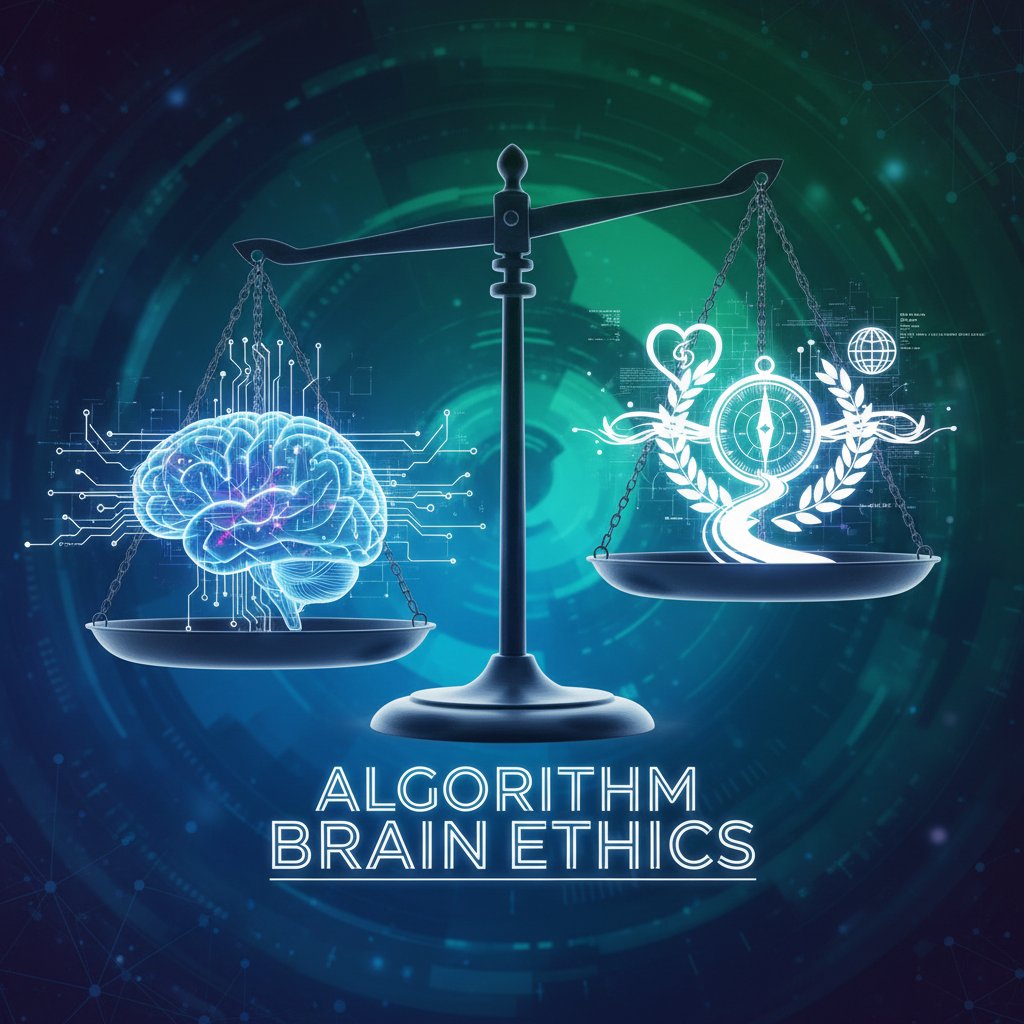
Organizations must put guardrails in place—review boards, explainability tools, and clear accountability—to ensure predictions don’t become unchecked mandates. The mantra: automate the insight, not the judgment.
Preparing for the next wave: what’s coming after LLM automation?
While the industry is fixated on the latest LLMs and workflow engines, evolution never stands still. The future is being shaped by autonomous agents, more transparent AI (“explainability”), and the slow but steady encroachment of tougher regulations. Here’s how the predictive analytics automation story has unfolded:
| Year | Breakthroughs | Impacts |
|---|---|---|
| 2015 | Rule-based automation | Simple, rigid forecasting |
| 2018 | Early machine learning | Improved statistical accuracy |
| 2020 | LLMs and cloud integration | NLP-powered, real-time analytics |
| 2023 | Automated feedback loops | Continuous improvement, faster cycles |
| 2025 | Ethical oversight/Explainability | Transparency, compliance focus |
Table 4: Timeline of predictive analytics automation evolution (2015–2025)
Source: Original analysis based on academic and industry sources.
As the tech matures, the winners will be those who combine automation with transparency, ethical standards, and a relentless commitment to results.
How to master ai-powered predictive analytics automation (without losing your mind or your job)
Step-by-step guide to getting started
Ready to ditch the chaos and take control? Here’s how to implement ai-powered predictive analytics automation without ending up in a cautionary tale:
- Audit your current analytics workflow: Identify bottlenecks, recurring errors, and high-impact use cases ripe for automation.
- Clean your data: Invest in data hygiene—bad data is the fastest way to sabotage AI.
- Set clear goals: Know what you want to predict, why it matters, and how you’ll measure success.
- Choose the right platform: Vet vendors for transparency, support, and domain expertise. Evaluate futuretask.ai for proven value in automation.
- Pilot, don’t plunge: Start with a focused pilot project, using real data and clear metrics. Adjust before scaling.
- Build a feedback loop: Monitor results, retrain models, and don’t be afraid to intervene when things go sideways.
- Train your team: Upskill analysts and decision-makers to interpret AI output and flag anomalies.
Step-by-step guide to mastering ai-powered predictive analytics automation.
Checklist: is your business ready for AI-driven automation?
Not every organization is ready to take the plunge. Here’s how to know if you’re set up for success:
- Do you have high-quality, well-labeled data with minimal silos?
- Are key stakeholders (IT, analytics, compliance) on board?
- Can you articulate clear objectives for automation?
- Is there a plan to monitor and audit AI outputs regularly?
- Do you have a culture of adapting quickly to feedback?
Self-assessment questions and readiness factors for successful adoption.
If you’re nodding along, congratulations—you’re ahead of the pack.
Common pitfalls and how to dodge them
Even the best-laid plans can go haywire without vigilance. Here’s what trips up most organizations:
- Ignoring data quality: Even the best AI can’t salvage rotten data. Invest upfront, or pay the price later.
- Over-automating: Don’t hand over the reins too soon. Human judgment matters.
- Neglecting change management: People resist what they don’t understand; bring your team along for the ride.
- Failing to monitor: Unchecked automation is a recipe for disaster. Build in regular reviews and fail-safes.
- Forgetting compliance: Regulatory slip-ups aren’t just embarrassing—they can be ruinous.

The human factor: why creative intuition still matters in an automated world
Gut feeling vs. algorithm: who wins when?
Even in the age of relentless automation, there are moments when gut instinct trumps the cold logic of code. Here are scenarios where each wins out:
| Decision Scenario | Trust AI-Powered Analytics? | Trust Human Judgment? |
|---|---|---|
| High-volume demand forecasting | ✓ | |
| Crisis response/unusual events | ✓ | |
| Personalization at scale | ✓ | |
| Ethical decisions (hiring, policy) | ✓ | |
| Creative campaign strategy | ✓ |
Table 5: Decision scenarios—when to trust AI, when to trust human judgment
Source: Original analysis based on industry case studies and expert testimony.
The secret isn’t picking sides—it’s knowing when to switch gears. Let algorithms surface the signals, but let humans steer the ship when stakes are high.
Collaboration, not replacement: new roles for analysts in the AI age
The best analysts aren’t threatened by AI—they’re empowered by it. As automation handles the grunt work, professionals are stepping up as model trainers, interpreters, and ethical watchdogs. The most valuable skill? The ability to translate algorithmic output into business strategy.
"The best analysts don’t fight AI—they train it." — Sam, AI strategist
In the hands of creative, critical thinkers, AI isn’t a threat—it’s an amplifier.
Conclusion: will you adapt, automate, or get left behind?
The writing’s on the wall: ai-powered predictive analytics automation isn’t a passing fad—it’s the new operating system for business. But the path forward is littered with both opportunity and peril. The winners will be those who move fast, but not blindly; who embrace automation but refuse to become slaves to it; who see AI as a partner, not a panacea.
Organizations that pair relentless automation with human oversight, ethical rigor, and a culture of learning will not just survive—they’ll dominate. Platforms like futuretask.ai are leading the charge, setting new standards for speed, quality, and control in a world where every second counts.
So ask yourself: Will you adapt, automate, or get left behind? The choice isn’t just about technology—it’s about the kind of organization you want to build, the risks you’re willing to take, and the future you’re ready to shape.
Sources
References cited in this article
- IHRIM: Business Growth with AI & Predictive Analytics(ihrim.org)
- CompTIA: AI Statistics 2024(connect.comptia.org)
- Eluminous Technologies: AI Trends 2025(eluminoustechnologies.com)
- NielsenIQ: AI-Powered Forecasting(nielseniq.com)
- PMC: AI in Healthcare Review(pmc.ncbi.nlm.nih.gov)
- Analyst Journey: 2024 AI Data Analytics Trends(analyst-journey.com)
- AIMind: 2023-2024 AI Roadmap(pub.aimind.so)
- Yellowfin: Top Data & Analytics Trends for 2024(yellowfinbi.com)
- Smart Insights: AI in Marketing 2023-2024(smartinsights.com)
- Statology: Key Analytics Trends 2024(statology.org)
- Devabit: 2023-2024 AI Technologies(devabit.com)
- Shelf.io: How Predictive Analytics and AI Work(shelf.io)
- arXiv: Continual Learning and Catastrophic Forgetting (2024)(arxiv.org)
- Neuroscience News: Overcoming Catastrophic Forgetting(neurosciencenews.com)
- Medium: Challenges in AI Continual Learning(medium.com)
- Appinventiv: AI Business Case Studies(appinventiv.com)
- Medium: 10 Detailed AI Case Studies 2024(medium.com)
- MoldStud: Predictive Maintenance Case Studies(moldstud.com)
- WinSavvy: Predictive Analytics Case Studies(winsavvy.com)
- SmartDev: Predictive Maintenance in Manufacturing(smartdev.com)
Automate Your Tasks, Transform Your Business
FutureTask.ai revolutionizes your workflow by automating complex tasks typically outsourced to freelancers and agencies. Our powerful AI-driven platform leverages cutting-edge LLM technology to deliver precision, speed, and consistency at scale. Whether you're managing content creation, data analytics, marketing campaigns, or customer support, FutureTask.ai ensures seamless task execution, significant cost savings, and unmatched efficiency. Transform your business operations, eliminate delays, reduce operational overhead, and gain a competitive advantage with intelligent automation.
Get startedReady to Automate Your Business?
Start transforming tasks into automated processes today
Frequently Asked Questions
What percentage of businesses are currently using AI-powered predictive analytics?
According to CompTIA, over 75% of businesses are now using some form of AI, with global spending on AI-driven platforms reaching $184 billion in 2024.
What are the main benefits that companies are seeking from AI-powered predictive analytics automation?
Companies are primarily seeking speed, scale, human error reduction, and actionable insights. A single AI system can process large amounts of data faster than teams of human analysts and can highlight patterns that humans might miss.
Why are businesses moving away from traditional manual analytics to automation?
Businesses are transitioning to automation due to years of bottlenecks, delays, missed opportunities, and expensive expert errors. For leaders frustrated by botched forecasts and late-night fire drills, predictive automation feels like a solution to these longstanding pain points.
From the Archive
Explore more from Ai-powered task automation

Ai-Powered Business Intelligence Automation: Roi, Risks, Reality

Ai-Powered Website Analytics Automation: Capabilities and Risks

Data Analysis Automation Tools: Real Impact and Hidden Risks

Automating Data Visualization with Ai: Benefits and Real Risks

Automating Data Analysis: Realities Beyond the Marketing