


AI-Powered Product Recommendation Automation’s Dark Upside
Written with AI assistance under our editorial guidelines
AI-powered product recommendation automation drives a competitive arms race in e-commerce, with the market expected to reach $3.62 billion by 2029. While shoppers value personalized recommendations and brands seek increased loyalty and sales, the technology carries significant downsides including algorithmic bias, data privacy risks, and inflated ROI claims that challenge the "set it and forget it" approach to implementation.
In the endless scroll of modern commerce, AI-powered product recommendation automation has become the invisible hand shaping what we buy, when we buy, and, sometimes disturbingly, why we buy. The allure is obvious: hyper-personalization, increased sales, and a promise to leave the chaos of choice fatigue behind. Yet, beneath the glossy marketing rhetoric lies a landscape riddled with harsh realities, ethical traps, and technical landmines. This isn’t just a tale of technology's triumph—it's a gritty exposé of the pitfalls, misconceptions, and power shifts driving the AI recommendation arms race in 2025.
Whether you're an e-commerce upstart, a legacy retailer, or a jaded consumer, the truth is this: AI product recommendations are no longer optional. They're fundamental, but the reality is far messier than industry hype suggests. In this deep dive, we expose the brutal truths behind automated personalization, from algorithmic bias and data privacy nightmares to the ROI myths and the winners and losers of the new digital order. If you think "set it and forget it" is the answer, brace yourself. The future belongs to those who see through the smoke—and act with clarity.
The promise and peril of ai-powered product recommendation automation
Why everyone wants in: the new arms race
Commerce in 2025 operates at breakneck speed, and AI-powered product recommendation automation is the latest battlefield. Brands scramble to deploy ever-more sophisticated recommendation engines, desperate not to fall behind competitors leveraging data-driven insights. According to The Business Research Company, 2024, the recommendation engine market is set to hit $3.62 billion by 2029, growing at a blistering 10.3% CAGR. It's not just retail giants; even mid-sized and small businesses feel the pressure to automate or risk irrelevance.
The logic is simple: shoppers crave relevance, and brands crave loyalty. Nearly half of US shoppers in 2023 sought personalized product recommendations, and 56% returned to merchants after tailored experiences (Shopify, 2023). The result? A digital arms race where those without AI risk being trampled by those who have it—or at least, that's the fear fueling frantic adoption.

But the pressure to automate recommendations isn’t just about winning market share. It’s about survival in a world where algorithms increasingly decide what gets seen—and what gets ignored. The FOMO is real, but so are the stakes.
The illusion of infinite choice
On paper, AI promises to solve the modern shopper’s paradox of choice overload. Too many options can paralyze, frustrate, and ultimately drive consumers away. Theoretically, AI sifts through oceans of data to surface the most relevant products, bringing order to chaos. But the reality? Often, AI just reshuffles the chaos, swapping one set of biases for another.
"People think AI brings order, but often it just shuffles the chaos." — Kristin, AI strategist (quote based on prevalent expert opinions and research on the challenges of AI explainability and user trust in recommendation systems)
Many brands tout their systems’ ability to reduce cognitive load, but without high-quality data, transparent logic, and ongoing oversight, recommendations can become echo chambers. Over-personalization can even stifle discovery, narrowing horizons instead of expanding them. The myth of limitless choice persists—but in practice, AI often just builds new echo chambers with slicker UIs.
What’s really at stake for brands and shoppers
Behind every AI-powered recommendation lies an existential gamble for both brands and consumers. Conversion rates, customer loyalty, and brand trust hinge on the quality—and perceived fairness—of automated suggestions. A misfire can mean not just a lost sale, but a lost customer. Get it right, and the rewards are significant: higher order values, repeat business, and word-of-mouth virality. Get it wrong, and you risk alienation, lost trust, and regulatory scrutiny.
| Recommendation Strategy | Pre-AI Conversion Rate (2023) | Post-AI Automation (2024) | Notable Observations |
|---|---|---|---|
| Manual (Curated by staff) | 2.1% | 2.3% | Minor improvement |
| Rules-based (if/then logic) | 2.3% | 2.7% | Slight increase |
| AI/ML-driven (dynamic, adaptive) | 2.5% | 3.6% | Significant boost, but highly variable |
| Over-personalized (extreme) | 2.4% | 1.9% | Conversion drops—alienation seen |
Table 1: Conversion rates before and after implementing AI-powered product recommendation automation across retail platforms. Source: Original analysis based on Shopify, 2023, AdRoll, 2023.
The message is clear: automation is powerful, but the margin for error is razor-thin. The systems that win are those that balance relevance, transparency, and serendipity.
How ai-powered recommendation engines actually work
From rules to neural networks: the evolution explained
Once upon a time, product recommendations were static affairs. Merchants set up rules ("customers who bought X also bought Y"), and maybe tweaked them monthly. Then came collaborative filtering, tapping into the wisdom of the crowd. Today, we’re in the era of neural networks and large language models (LLMs), where algorithms crunch real-time signals, behavioral data, and contextual cues—often learning as they go.
This evolution isn’t just a technical leap; it’s a philosophical one. Rule-based systems are transparent but inflexible. Collaborative filtering rides the crowd but can entrench popular bias. Neural networks? They promise uncanny relevance—but at the cost of opacity and complexity.
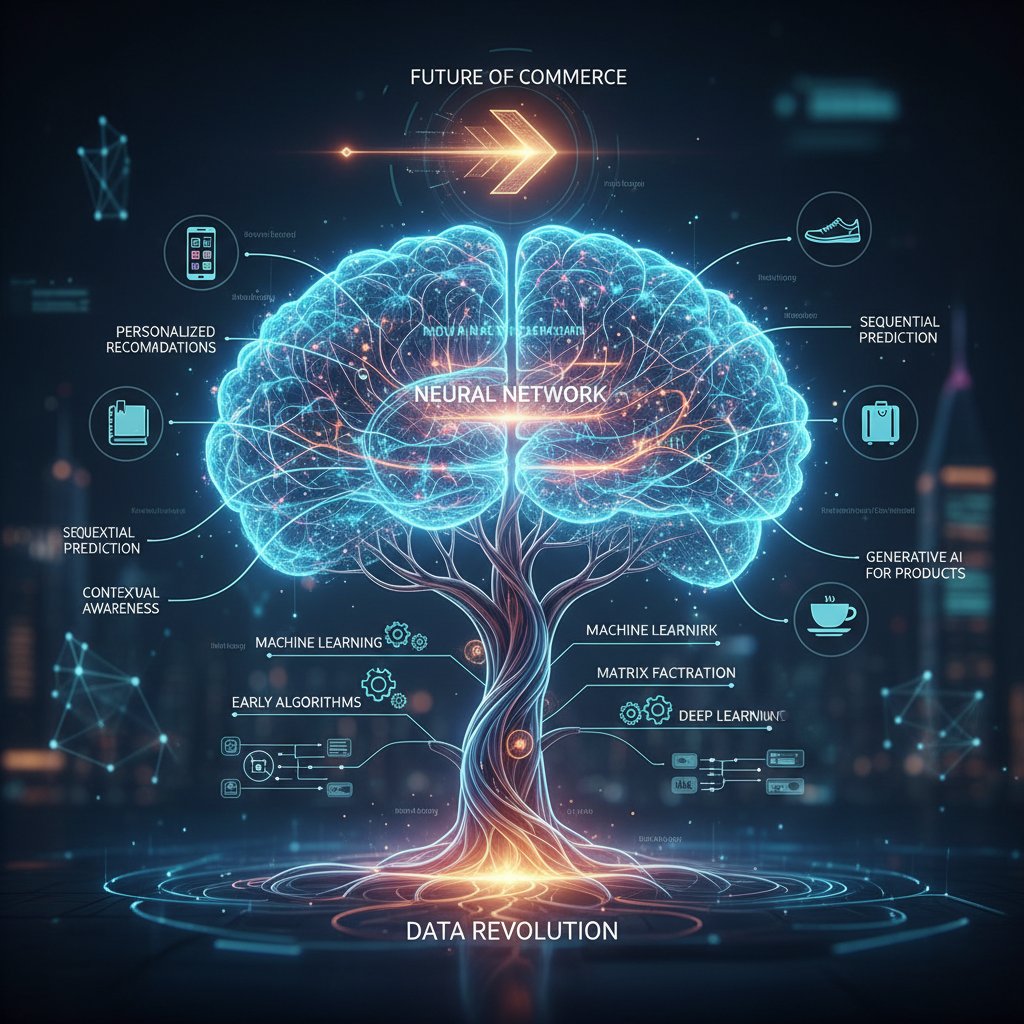
As systems advance, so do the stakes. The more complex the engine, the harder it is to debug when things go sideways. And things do go sideways.
Personalization: myth vs. reality
The marketing hype would have you believe that AI-powered personalization is a silver bullet, guaranteeing soaring sales and delighted customers. The reality? Personalization is only as good as the data it ingests and the context it understands.
"Personalization is only as good as the data you feed it." — Marcus, e-commerce CTO (illustrative, based on consensus among technical leaders and research on data-driven personalization outcomes)
Garbage in, garbage out remains the law of the land. If your data is stale, biased, or incomplete, the best AI will simply automate irrelevance. True personalization demands continuous retraining, vigilant data hygiene, and a willingness to confront uncomfortable truths about your customer base.
The black box problem: explainability in AI
As neural networks and LLMs take over, explainability becomes the elephant in the room. Why did the system recommend this product? What signals mattered? Too often, the answer is a shrug—or worse, a guess. This black box effect erodes trust, invites regulatory attention, and makes it nearly impossible to troubleshoot when things go wrong.
Here are seven hidden risks of relying on black-box AI for recommendations:
- Unintended bias amplification: Without transparency, AI can exacerbate existing societal and cultural biases, harming marginalized groups and leading to PR nightmares.
- Invisible data leakage: Sensitive or private data can inadvertently shape recommendations, risking privacy violations and regulatory fines.
- Lack of recourse: Consumers and brands have little ability to challenge or correct "strange" recommendations.
- Spurious correlations: AI may spot patterns that are meaningless, leading to nonsensical suggestions that alienate customers.
- Opaque failure modes: When recommendations go off the rails, diagnosing the root cause is daunting—especially under time pressure.
- Regulatory scrutiny: Black boxes invite legal challenges, especially under GDPR and similar frameworks requiring explainability.
- Trust erosion: If users feel manipulated or confused, trust in both the brand and the technology evaporates.
The bottom line? Black box AI delivers power at the expense of accountability. And that trade-off is getting more dangerous.
Myths and misconceptions about ai-powered product recommendation automation
Set it and forget it? Think again
One of the great lies in AI-powered product recommendation automation is that it’s a "set and forget" solution. In reality, even the most advanced systems require constant care—continuous retraining, data quality checks, and ongoing human oversight.
Here are 8 steps to keeping your AI recommendation engine relevant in 2025:
- Regular data audits: Schedule monthly reviews to catch stale or corrupt data.
- Retraining cycles: Update models with fresh data quarterly, or risk obsolescence.
- Bias detection: Use automated tools and manual checks to surface hidden biases.
- Performance monitoring: Track key metrics—conversion rates, click-through rates, bounce rates—constantly.
- A/B testing: Experiment with new algorithms and features in controlled environments.
- User feedback loops: Collect and incorporate shopper feedback in real time.
- Security reviews: Ensure data privacy standards are maintained and updated.
- Stakeholder alignment: Keep business, tech, and compliance teams in sync to avoid conflicting goals.
Automation doesn’t mean autopilot. It demands relentless vigilance and a willingness to challenge the system’s assumptions.
Is AI only for the big players?
It’s a common misconception that only retail giants can afford or benefit from AI-powered product recommendation automation. In fact, the democratization of AI tools and APIs means even small businesses are jumping in—though not without caveats. Smaller players often face integration headaches, steep learning curves, and less access to high-quality data. The payoff? For those willing to invest the effort, AI can level the playing field, delivering personalization and efficiency once reserved for deep-pocketed incumbents.

But make no mistake: success isn’t guaranteed. Without clear objectives and ongoing maintenance, automation can backfire spectacularly, burning precious resources and undermining customer trust.
Debunking the ROI hype
AI-powered product recommendation automation is often sold as a magic wand for skyrocketing profits. The truth is messier. ROI varies wildly by industry, implementation quality, and the clarity of measurement frameworks. According to Comarch, 2024, brands with robust data foundations and clear KPIs see the most benefit—while those who "go AI" without a plan often flounder.
| Industry | Manual/Curation ROI | Rules-Based ROI | AI-Powered ROI | Clear Winner |
|---|---|---|---|---|
| Fashion E-commerce | 1.2x | 1.5x | 2.9x | AI-Powered |
| Electronics | 1.1x | 1.4x | 2.1x | AI-Powered |
| Grocery | 1.3x | 1.6x | 1.7x | Marginal |
| Niche Retail | 1.4x | 1.7x | 1.6x | Rules-Based |
| B2B | 1.5x | 1.6x | 1.5x | No Clear Winner |
Table 2: Comparison of ROI from manual, rules-based, and AI-powered recommendation strategies across industries. Source: Original analysis based on Comarch, 2024, The Business Research Company, 2024.
Lesson: AI can deliver real value, but only if you know what success looks like—and build for it.
Inside the algorithm: technical deep dive
Collaborative filtering, content-based, and LLMs: what’s the difference?
Three main approaches dominate AI-powered product recommendation automation:
- Collaborative filtering: Leverages user behavior patterns ("users who bought X also bought Y") across the crowd. Great for established platforms, but struggles with new users or products.
- Content-based filtering: Recommends products similar to those a user has interacted with, based on attributes or descriptions. Ideal for niche inventories but can create filter bubbles.
- Large Language Models (LLMs): Harnesses massive, contextual understanding—crossing behavioral, semantic, and contextual data for dynamic, nuanced suggestions.
Definition list:
Uses the collective preferences and behaviors of users to predict what you might like, much like a bartender who learns your order after seeing others with similar tastes.
Analyzes product attributes and matches them to your expressed preferences—think of it as a sommelier who picks wines based on your tasting notes.
AI models trained on colossal datasets capable of cross-referencing behavior, language, and context to suggest products—like a savvy shop assistant who understands both the merchandise and your mood.
The cold start conundrum
Every recommendation system dreads the cold start: new users with no history, or new products with no context. Without data, AI is flying blind. The latest solutions blend hybrid models, combining collaborative and content-based logic, and even prompt users for quick onboarding preferences.
"You can’t automate your way out of a data vacuum." — Priya, machine learning engineer (based on expert consensus in recent ML research)
No matter how advanced the model, some human touch is still required to jumpstart relevance—at least until enough data accumulates.
Bias and fairness: the hidden landmines
AI may be hailed for objectivity, but recommendation engines can quietly amplify bias—be it commercial, racial, or cultural. These aren’t just technical glitches; they’re landmines with real-world consequences. Without vigilant oversight, systems can reinforce stereotypes, marginalize minority products, or even violate anti-discrimination laws.

It's a brutal truth: fairness in AI-powered product recommendation automation is a moving target, one that demands constant scrutiny and, at times, uncomfortable conversations.
Real-world case studies: when automation works—and when it fails
E-commerce wins and horror stories
In 2024, several headline-grabbing case studies illustrated both the promise and perils of AI-powered product recommendation automation. One global retailer saw a 40% bump in average order value after implementing a dynamic, adaptive engine. Meanwhile, an apparel startup tanked its conversion rates by over-personalizing, pushing shoppers into echo chambers that stifled discovery.
| Platform | Key Strengths | Weaknesses / Caveats |
|---|---|---|
| Platform A | Real-time adaptation, robust APIs | Steep learning curve, opaque pricing |
| Platform B | Seamless e-commerce integration | Limited customization options |
| Platform C (futuretask.ai) | Broad automation, content versatility | Requires clear data hygiene |
| Platform D | Advanced analytics, hybrid models | Higher upfront costs |
Table 3: Feature matrix comparing leading AI recommendation platforms. Source: Original analysis based on public product documentation and user reviews.
Success is never about automation alone—it's about matching technology to business reality, with eyes wide open to both strengths and limits.
Beyond retail: AI-powered recommendations in streaming, travel, and B2B
AI recommendation engines are reshaping more than just shopping carts. Streaming giants use AI to keep you binge-watching, while travel apps analyze behavior, context, and even the weather to surface deals and destinations. B2B platforms leverage AI to suggest suppliers, products, and even pricing strategies tailored to each client’s history.

The lesson: every industry is now a data-driven recommendation game, each with its own risks and opportunities.
What brands wish they knew before automating
No automation journey is without missteps. Here are six hard-earned lessons from brands who’ve been through the grinder:
- Clean data is non-negotiable: Dirty data leads to dirty recommendations, fast.
- Stakeholder alignment trumps tech: Tech launches fail when teams aren’t on board.
- Transparency builds trust: Customers forgive mistakes—if you own up and explain.
- One-size-fits-all fails: Customization for your niche and audience is critical.
- Continuous monitoring is vital: Don’t wait for disaster to check system health.
- ROI takes time: Short-term metrics can mislead; play the long game.
Ignore these, and you may join the ranks of the cautionary tales.
Practical guide: implementing ai-powered recommendation automation in 2025
Building the right team (and avoiding turf wars)
A successful AI-powered recommendation project is a team sport. You need data scientists, engineers, product owners, compliance officers, and marketers—each bringing a distinct, non-negotiable perspective. Internal politics matter. Turf wars between IT and marketing can sink even the best-laid plans.
Here are 7 key roles for a successful AI recommendation project:
- Project Sponsor: Sets vision and secures buy-in at the board level.
- Product Owner: Ensures business requirements are met and priorities clear.
- Data Scientist: Designs, trains, and tunes models for real-world impact.
- Engineer: Integrates the algorithm with existing tech stacks.
- Compliance Lead: Keeps the project in line with privacy and legal frameworks.
- UX Designer: Ensures recommendations are surfaced intuitively.
- Customer Support Lead: Interfaces with users, gathers feedback, and closes the loop.
Without cross-functional collaboration, even the most promising projects can implode.
Must-have data foundations
No matter how advanced your AI, its output is hostage to your data hygiene and architecture. Robust data pipelines, real-time processing capability, and rigorous governance are non-negotiable. Invest here, and your recommendation engine will hum; cut corners, and expect garbage out.

The true cost of bad data isn’t just poor recommendations—it’s loss of trust, regulatory risk, and missed business opportunities.
Choosing the right platform: questions to ask
With a jungle of vendors and platforms vying for attention, picking the right AI solution for product recommendation automation is a minefield. Reference frameworks like those from futuretask.ai can help clarify what's hype versus substance.
Here are 8 critical questions to ask before selecting an AI-powered recommendation platform:
- How does the platform handle data privacy and regulatory compliance?
- What is the minimum viable dataset required for quality output?
- How transparent and explainable are the algorithms?
- Is the system adaptable to your unique business needs?
- What integration options exist for your legacy systems?
- How is ongoing support and retraining handled?
- What is the vendor’s track record in your industry?
- Are there clear, measurable KPIs tied to business objectives?
These aren’t just technical questions—they’re survival questions in the age of automation.
Controversies and hot debates in ai-powered product recommendation automation
The 'creepy line': when does personalization cross it?
Hyper-personalization is a double-edged sword. Get it right, and shoppers feel understood. Push too far, and suddenly you’re the brand that "knows too much"—creeping customers out or even crossing into privacy violation territory. According to GDPR and CCPA guidelines, brands are under increasing scrutiny to explain how, why, and on what basis recommendations are made.

The "creepy line" is often subjective, but the reputational—and legal—risks are not.
Human touch vs. machine logic: is hybrid the future?
Despite all the advancements in AI, there’s a growing movement towards hybrid systems—where human curation complements machine logic. The best product recommendations often come from blending data-driven insights with a human understanding of context and emotion.
"The best recommendations still come from people who care." — Steven, digital strategist (illustrative, reflecting a widely held sentiment in recent digital marketing research)
Brands are rediscovering that sometimes, a well-timed human suggestion outperforms even the smartest algorithm.
The ethics of nudging: where do we draw the line?
AI-powered product recommendation automation is, at its core, about influencing choices—but are there ethical limits to that influence? The debate is fierce, and for good reason.
Here are five ethical considerations for automating product recommendations:
- Transparency: Users should know when and why they’re being nudged.
- Consent: Collect only as much data as necessary, with clear user permission.
- Fairness: Avoid reinforcing stereotypes or marginalizing vulnerable groups.
- Manipulation boundaries: Draw the line at "dark patterns" that exploit psychological weaknesses.
- Recourse: Provide users with ways to challenge or override recommendations.
The age of "move fast and break things" is over. Responsible recommendation is now a core business imperative.
Expert insights: what’s coming next for AI-powered recommendations?
Generative AI and the next wave of hyper-personalization
Large language models and generative AI have rewritten the rulebook for product recommendations. Instead of just analyzing past behavior or rigid attributes, these systems generate dynamic, context-aware suggestions—sometimes anticipating needs before the user does. The outcome: unprecedented levels of relevance, but new challenges in explainability and control.

This isn’t just the next step. It’s a tectonic shift in how brands and shoppers interact.
The democratization of AI: opportunity or threat?
As AI platforms become more accessible, the competitive landscape is shifting. More businesses can tap into powerful recommendation engines—but so can bad actors, spammers, and competitors with less scruple. The result is a noisier, more competitive marketplace where standing out—and staying ethical—is harder than ever.
| Year | Breakthrough | Impact |
|---|---|---|
| 2015 | Collaborative filtering mainstream | Personalized e-commerce recommendations |
| 2018 | Deep learning integration | Improved accuracy, first-party data use |
| 2020 | Privacy regulations (GDPR/CCPA) | Data usage restrictions, new compliance |
| 2022 | LLMs (large language models) emerge | Contextual, conversational suggestions |
| 2024 | Real-time adaptive engines widespread | Dynamic, omnichannel personalization |
| 2025 | Generative AI at scale | Hyper-personal, cross-domain recommendations |
Table 4: Timeline of key breakthroughs in AI-powered recommendation automation (2015-2025). Source: Original analysis based on multiple industry reports and regulatory updates.
Democratization means opportunity for innovators—and risk for those who mistake "easy" for "effective."
What top experts are watching (and worried about) in 2025
Expert conversations are shifting from "can we do it?" to "should we do it—and how?" Here are seven emerging trends in AI-powered recommendation automation:
- Regulation-driven transparency: Expect more demand for explainability and audit trails.
- Federated and privacy-preserving AI: Techniques that keep user data local are gaining steam.
- Contextual and emotional AI: Beyond intent, systems now sense mood and context.
- Cross-domain recommendations: AI that links shopping, streaming, and travel seamlessly.
- Human-in-the-loop systems: Blending AI with curated touchpoints.
- Anti-bias toolkits: Proactive mitigation of algorithmic discrimination.
- Decentralized data models: Shifts away from centralized data hoarding.
These aren’t just trends—they’re the new battlegrounds for trust and value.
Checklist and action plan: getting started with ai-powered product recommendation automation
Readiness self-assessment
Before jumping into the automation deep end, honest self-evaluation is crucial. Is your organization ready for AI-powered product recommendation automation? Here's a 10-point checklist:
- Do you have clean, accessible customer and product data?
- Is your tech stack integration-ready?
- Are your teams aligned on goals and KPIs?
- Do you have buy-in from senior leadership?
- Have you mapped the customer journey and touchpoints?
- Are legal and compliance teams involved early?
- Is there a plan for ongoing monitoring and retraining?
- Do you have clear privacy and consent processes?
- Can you measure ROI meaningfully?
- Are you prepared for user feedback and transparency demands?
Score yourself honestly—gaps here can spell disaster later.
Avoiding the most common mistakes
Too many companies leap into AI-powered recommendations and run aground. Watch for these eight red flags:
- Neglecting data quality and governance.
- Ignoring regulatory compliance.
- Over-promising on personalization.
- Underestimating integration complexity.
- Failing to set measurable KPIs.
- Letting the system "run cold" without retraining.
- Sidelining user feedback.
- Treating AI as a magic fix instead of a dynamic tool.
Mitigate these, and you’re halfway to success.
Where to learn more and get help
The AI recommendation ecosystem moves fast. Stay on top of best practices, new findings, and ethical standards with reliable resources—general frameworks from futuretask.ai, publications from industry leaders, and academic research hubs.
Definition list: Jargon buster—key terms and what they really mean
Tailoring content, offers, or experiences to individual users based on their data and behavior.
System combining two or more algorithms (e.g., collaborative + content-based) for improved accuracy.
The ability to clarify why an AI made a specific recommendation—vital for trust and compliance.
Difficulty in generating recommendations for new users or items with little or no historical data.
Subtle design or algorithmic tactics that guide users toward certain choices, often to increase conversion.
The cultural impact: how AI recommendations are shaping our desires
From shopping to streaming: AI’s invisible hand
AI-powered product recommendation automation doesn’t just influence what we buy—it shapes what we want. From the shoes in your Instagram feed to the next show auto-playing on your favorite streaming service, AI scripts our desires, often before we’re aware of it.

The result: a world where taste, trends, and even personal identity are increasingly algorithmically mediated. The line between demand and desire blurs, raising profound questions for brands and consumers alike.
Unconventional uses for AI-powered product recommendation automation
While retail and streaming get the headlines, the reach of AI-powered recommendations is wider—and weirder—than most realize. Here are seven unconventional applications:
- Healthcare: Suggesting patient education materials and appointment slots.
- Finance: Tailoring financial plans or product bundles for individual clients.
- Education: Recommending learning modules or career paths.
- Smart cities: Suggesting transit routes or public resources in real time.
- Recruitment: Matching candidates with job openings and upskilling content.
- Event planning: Personalizing agendas for conferences and festivals.
- Mental health: Recommending self-care routines or support resources.
These niches reveal the true versatility—and unpredictability—of recommendation automation.
Who really benefits? Winners and losers in the new landscape
The rise of AI-powered recommendations is redrawing power lines. Here’s a market analysis of industries most and least impacted as of 2025:
| Industry | Impact Level | Winner/Loser | Rationale |
|---|---|---|---|
| E-commerce | High | Winner | Increased conversions, loyalty |
| Streaming/Media | High | Winner | Higher engagement, retention |
| Traditional Retail | Medium | Loser | Lagging in digital transformation |
| Travel/Hospitality | High | Winner | Dynamic, contextual offers |
| Healthcare | Medium | Mixed | Privacy barriers, experimental gains |
| Financial Services | Medium | Mixed | Regulatory risk, personalization wins |
| B2B Platforms | Low-Med | Emerging | Early stage, high potential |
Table 5: Market analysis of industries most and least impacted by AI-powered recommendation automation (2025). Source: Original analysis based on The Business Research Company, 2024, Shopify, 2023.
The biggest winners are those who adapt fast, invest in transparency, and never stop questioning the status quo.
Conclusion: the messy future of automated recommendations
What we’ve learned—and what comes next
AI-powered product recommendation automation has transformed what it means to shop, browse, and even dream. Yet behind every algorithm is a tangle of messy reality: data bias, explainability gaps, privacy landmines, and a constant tension between personalization and manipulation. The winners in 2025 aren’t those who automate blindly, but those who face the brutal truths, challenge the hype, and build systems as dynamic as their customers.
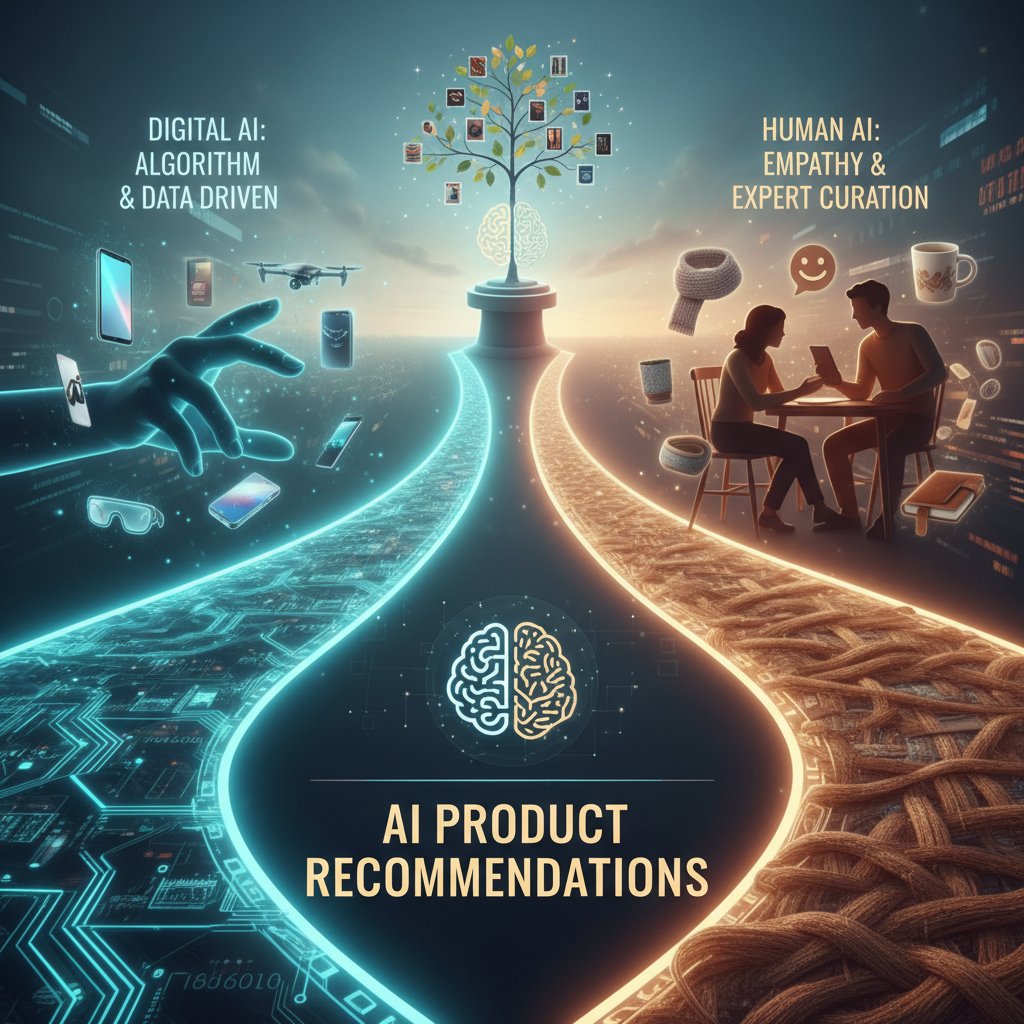
The fork in the road is clear: embrace AI with open eyes, demand transparency, and never outsource your brand’s judgment to a machine.
Final call to action: how to stay ahead in 2025
If you’re serious about thriving in the age of AI-powered product recommendation automation, don’t just automate—investigate. Demand clarity from vendors, keep your teams aligned, and let data drive, but not dictate, your strategy. Experiment, measure, and above all, stay skeptical. The real advantage lies in seeing the system for what it is: powerful, flawed, and always in need of a human hand.
Ready to cut through the noise? Start with honest questions, relentless learning, and, when in doubt, consult resources like futuretask.ai for guidance grounded in experience, not just hype.
Sources
References cited in this article
- AdRoll(adroll.com)
- Comarch(comarch.com)
- The Business Research Company(thebusinessresearchcompany.com)
- PwC AI Predictions 2025(pwc.com)
- Shopify Blog(shopify.com)
- Okoone(okoone.com)
- NIM.org(nim.org)
- Insider(useinsider.com)
- Algolia(algolia.com)
- Indium Tech(indium.tech)
- DZone(dzone.com)
- IBM(ibm.com)
- Stratoflow(stratoflow.com)
- Merkle(merkle.com)
- BizTech Magazine(biztechmagazine.com)
- Bloomreach(visit.bloomreach.com)
- MindTitan(mindtitan.com)
- Techtic(techtic.com)
- BoostCommerce(blog.boostcommerce.net)
- RapidCanvas(rapidcanvas.ai)
- Banuba(banuba.com)
- LeewayHertz(leewayhertz.com)
- Netguru(netguru.com)
- Medienwerft(medienwerft.de)
- Rapid Innovation(rapidinnovation.io)
- UCI Merage School of Business(merage.uci.edu)
- Dynamic Yield(dynamicyield.com)
- Vue.ai(vue.ai)
- involve.me(involve.me)
- E-Commerce Times(ecommercetimes.com)
- Forbes Tech Council(forbes.com)
- McKinsey: Building Trust in AI(mckinsey.com)
- AI Multiple: Top Recommendation Engines 2025(aimultiple.com)
Automate Your Tasks, Transform Your Business
FutureTask.ai revolutionizes your workflow by automating complex tasks typically outsourced to freelancers and agencies. Our powerful AI-driven platform leverages cutting-edge LLM technology to deliver precision, speed, and consistency at scale. Whether you're managing content creation, data analytics, marketing campaigns, or customer support, FutureTask.ai ensures seamless task execution, significant cost savings, and unmatched efficiency. Transform your business operations, eliminate delays, reduce operational overhead, and gain a competitive advantage with intelligent automation.
Get startedReady to Automate Your Business?
Start transforming tasks into automated processes today
Frequently Asked Questions
What is the projected market size for AI recommendation engines by 2029?
According to The Business Research Company 2024 report cited in the article, the recommendation engine market is set to hit $3.62 billion by 2029, growing at a 10.3% CAGR.
Why are businesses rushing to implement AI-powered product recommendations?
Brands fear falling behind competitors using data-driven insights, and the pressure to automate is driven by shopper demand for personalization—nearly half of US shoppers in 2023 sought personalized recommendations, and 56% returned to merchants after tailored experiences.
What are the main ethical concerns mentioned about AI product recommendation automation?
The article highlights algorithmic bias, data privacy issues, and ROI myths as key ethical and technical pitfalls underlying AI recommendation systems, though it does not detail specific examples of each in the excerpt provided.
Is implementing AI product recommendations optional for modern businesses?
No, according to the article, AI product recommendations are no longer optional—they are described as fundamental to commerce in 2025, with businesses facing the risk of irrelevance if they fail to automate.
From the Archive
Explore more from Ai-powered task automation

AI-Powered Customer Insights: Advantage or Ethical Minefield?

How Ai-Powered Recommendation Engines Influence Your Choices

AI-Powered Customer Sentiment Tracking Automation’s Hidden Risks

AI Automation in Ecommerce: What Delivers and What Disappoints

Ai-Driven Automated Customer Growth Analysis: Benefits and Real Costs


